
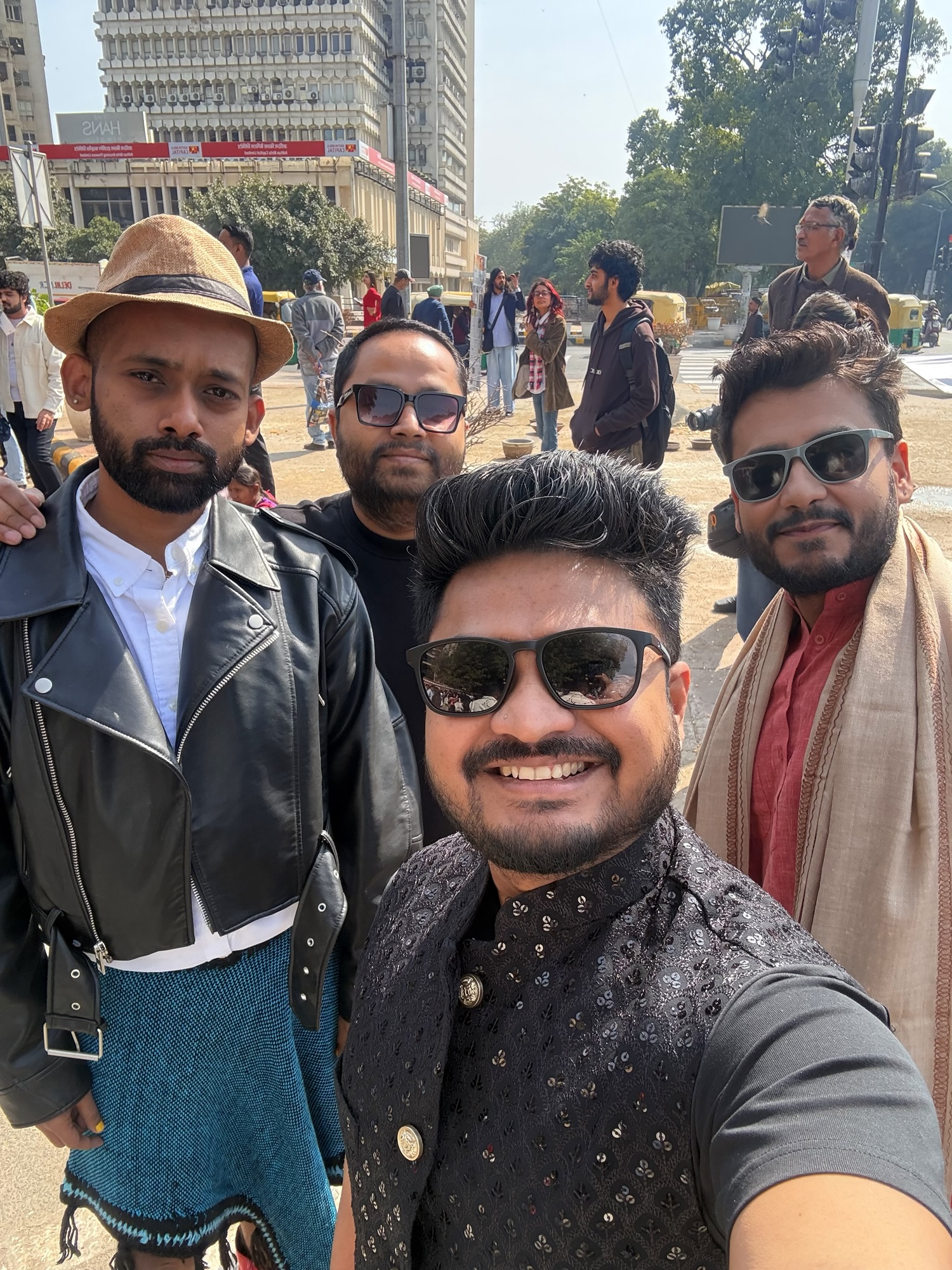
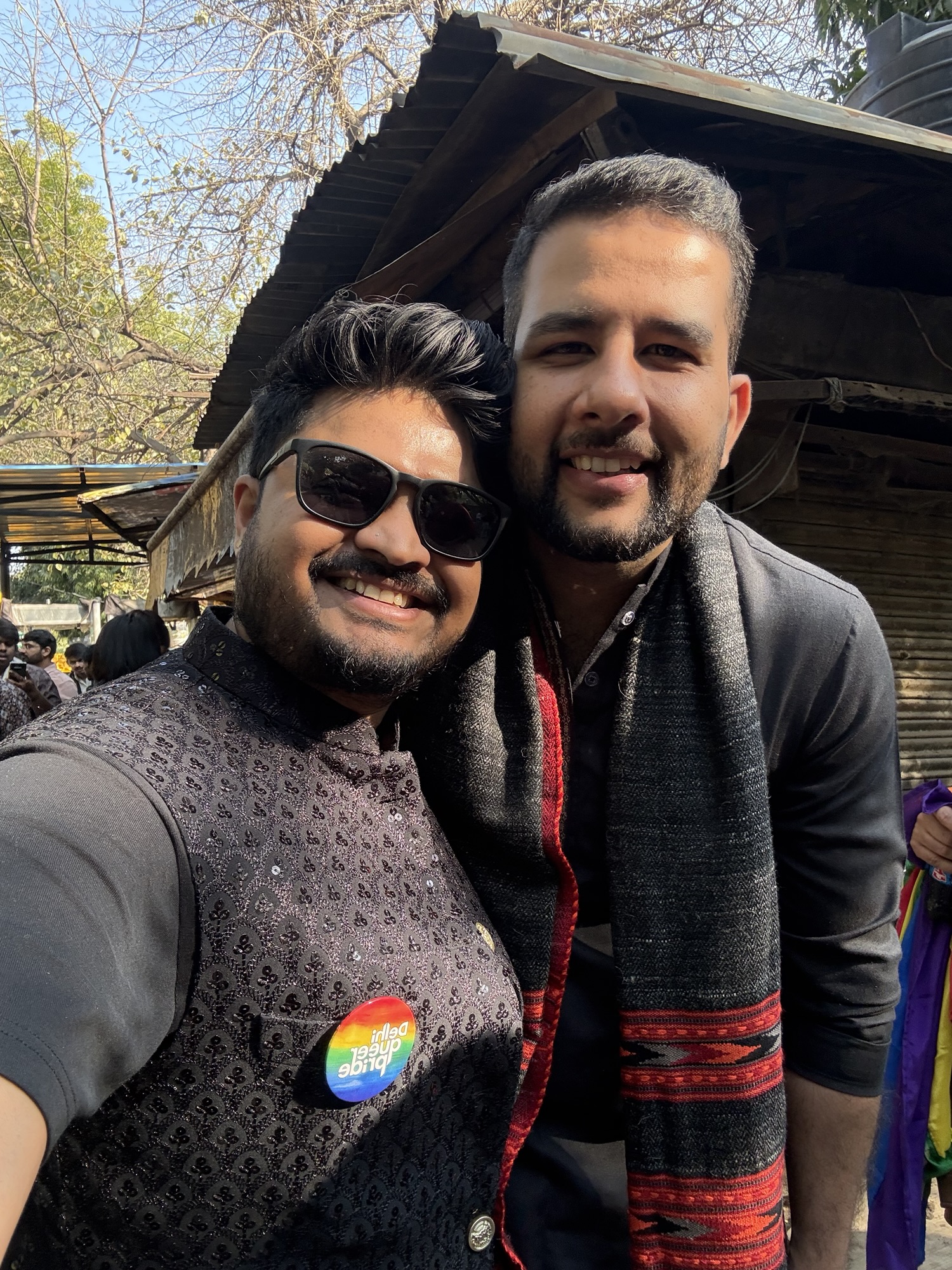
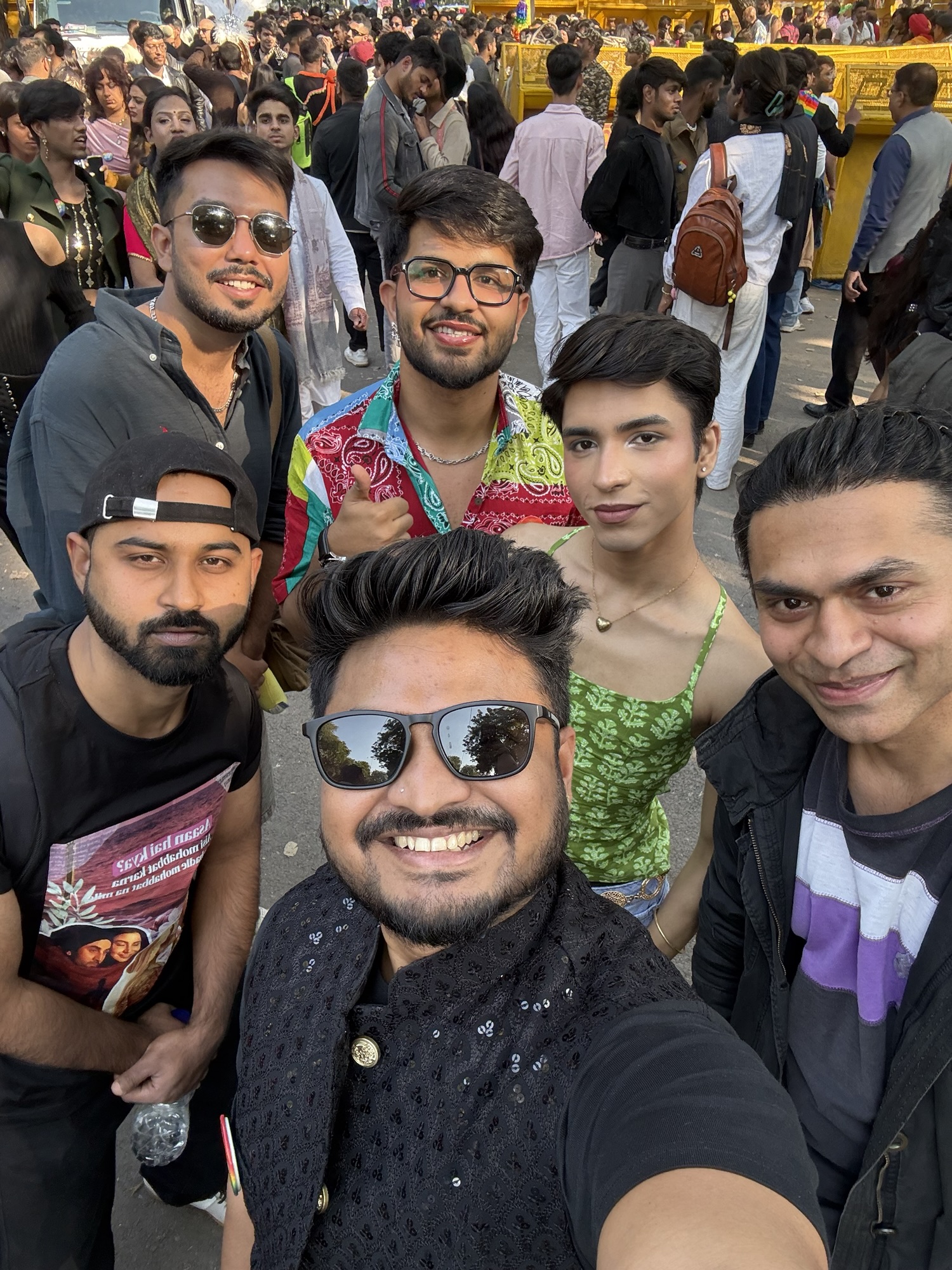
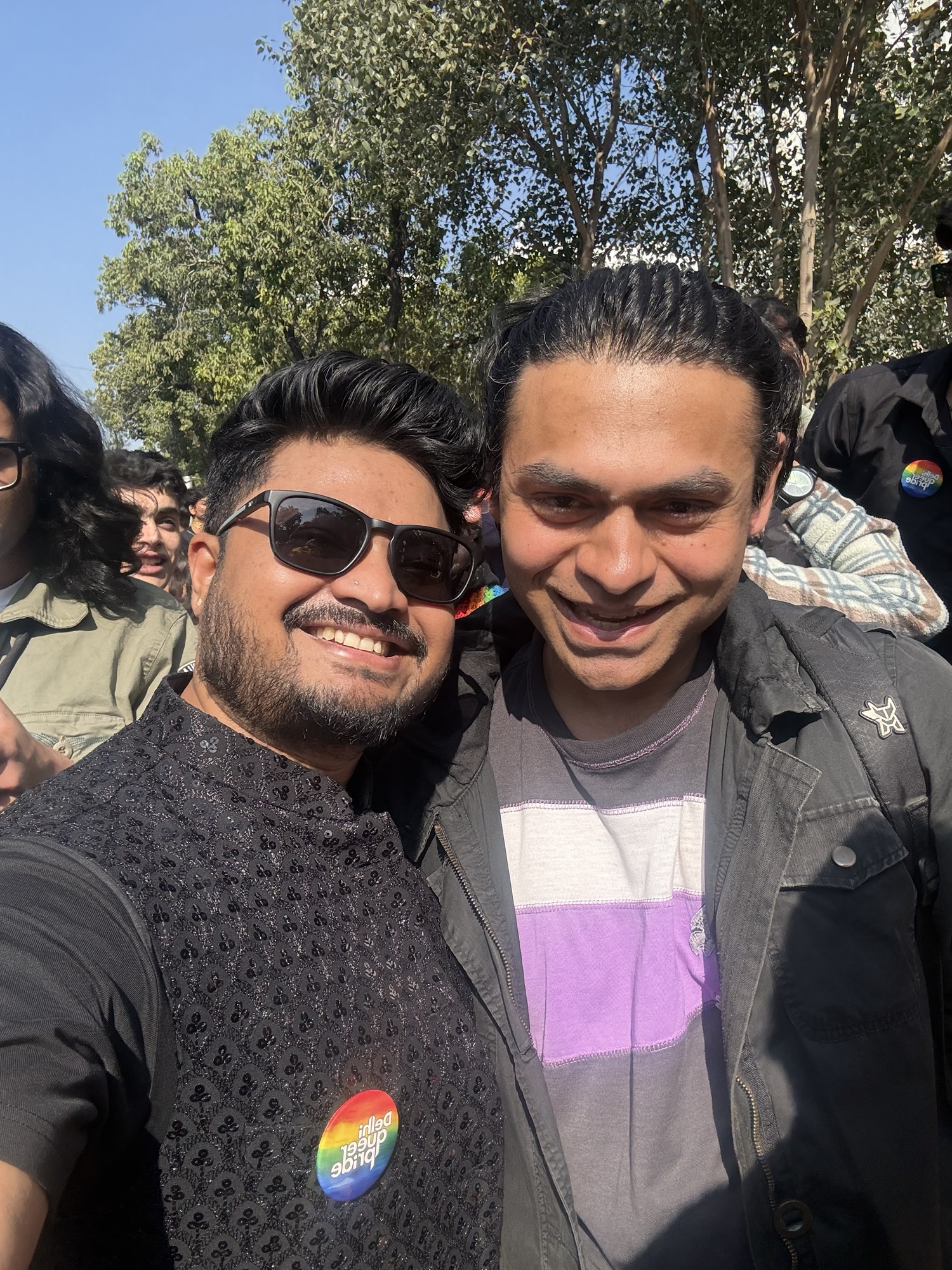
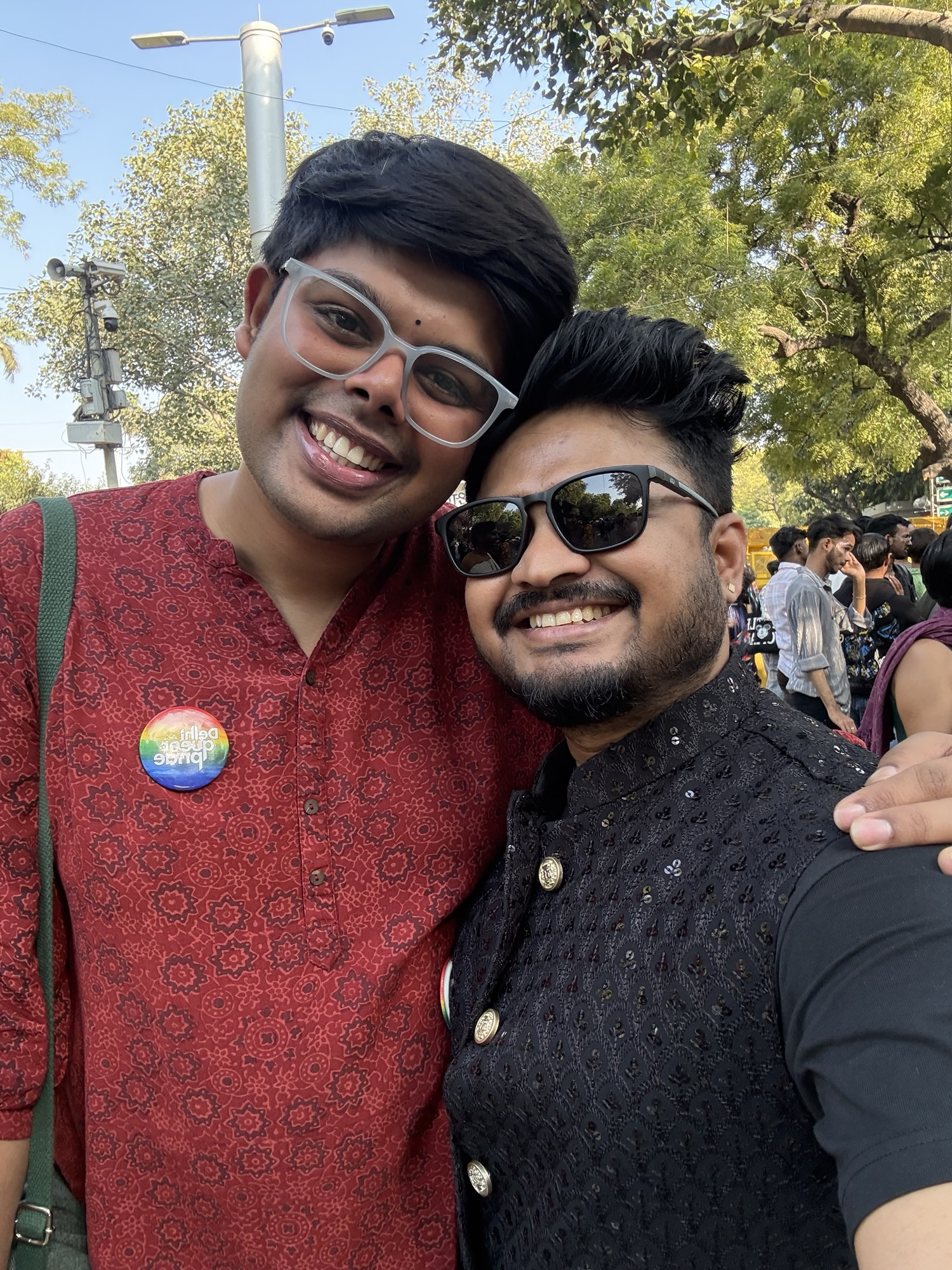
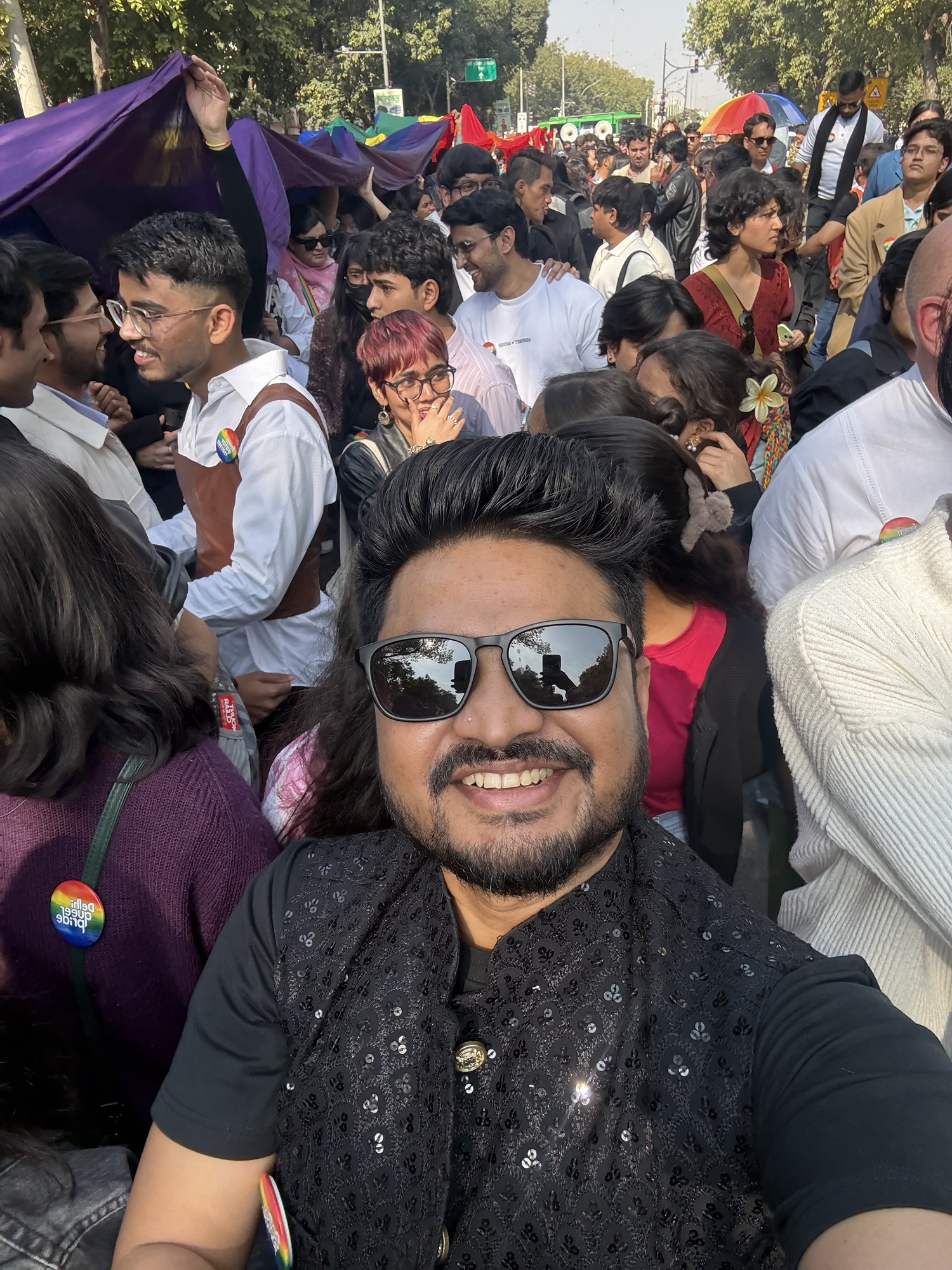
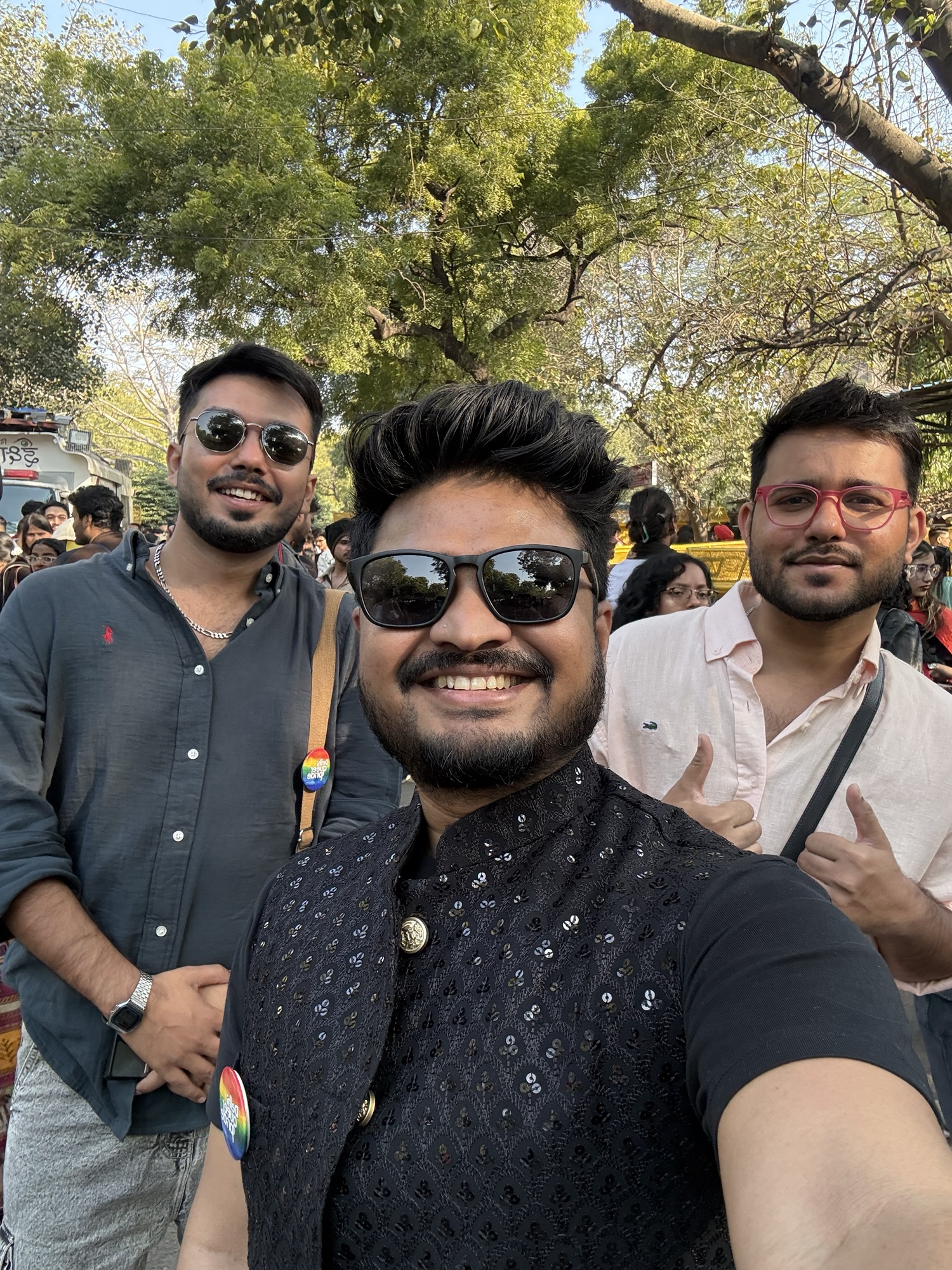
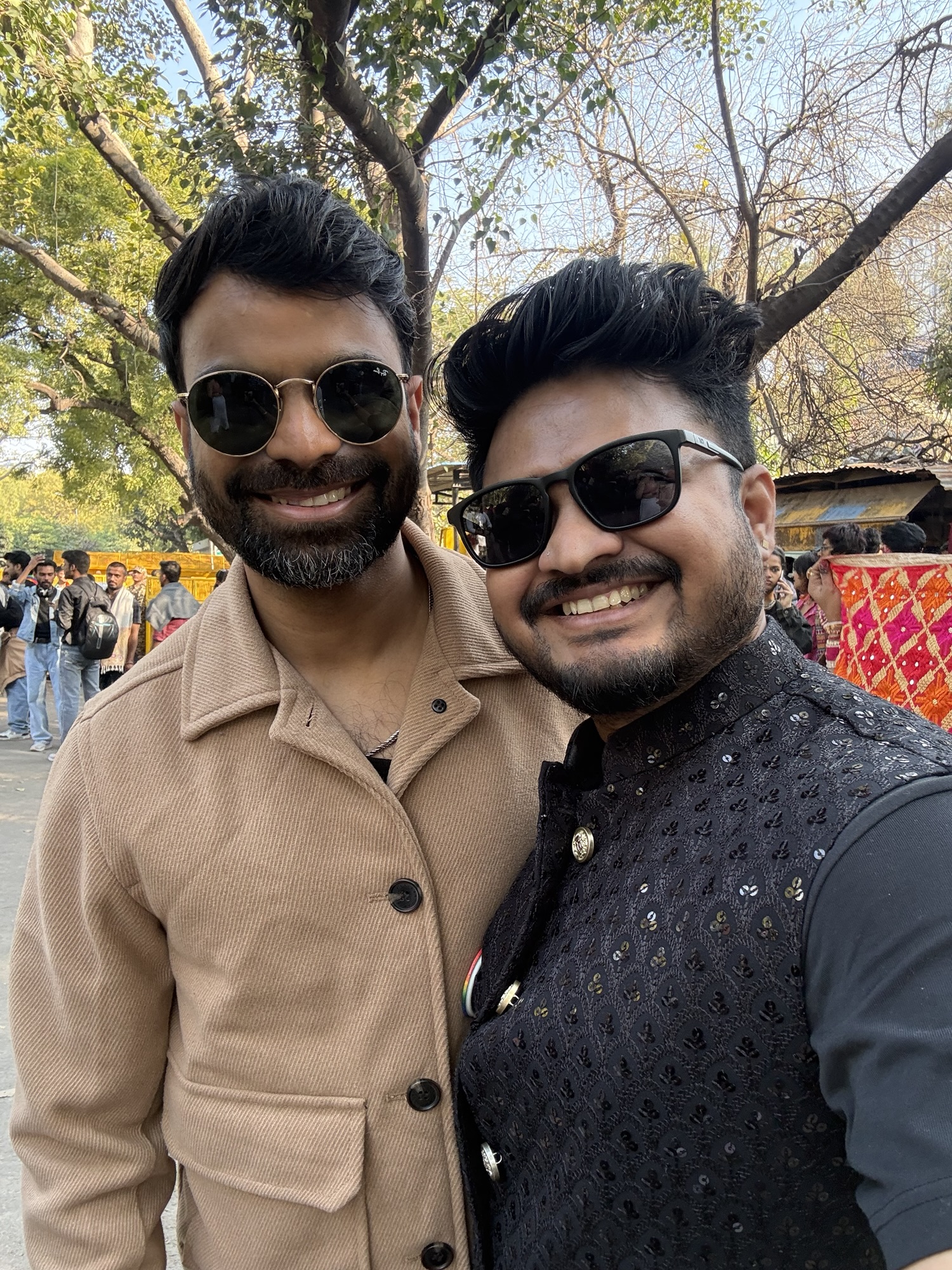
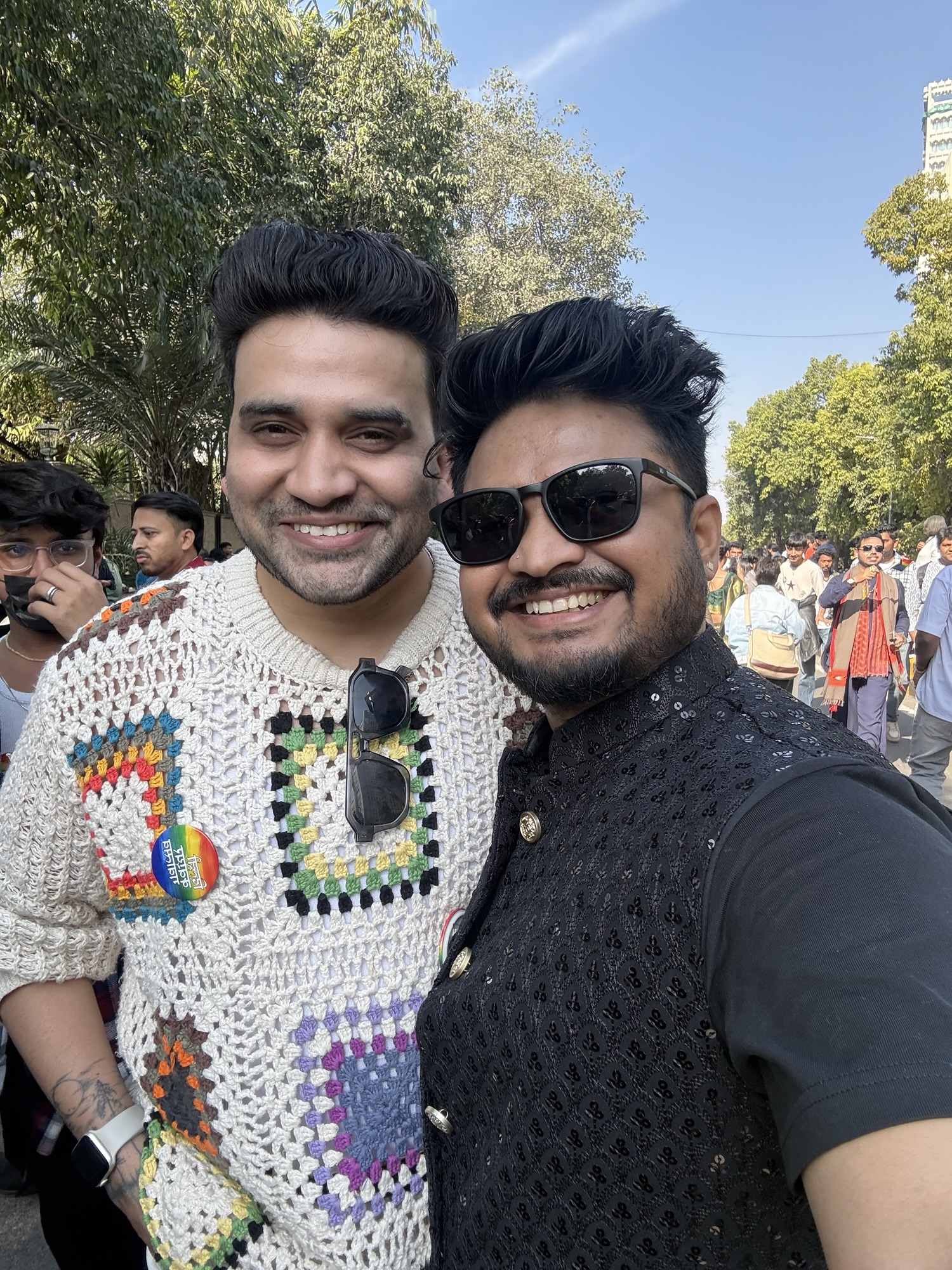
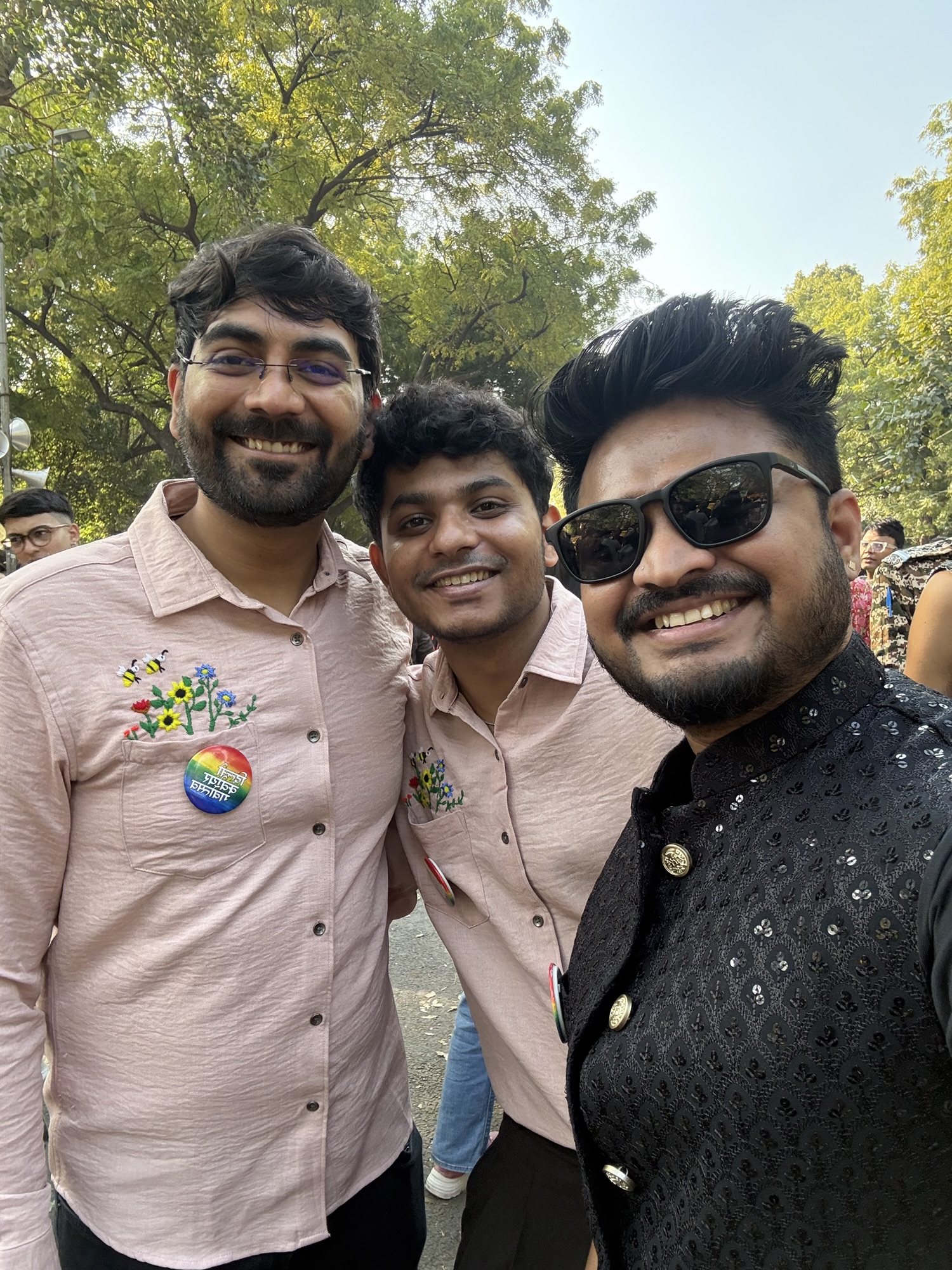
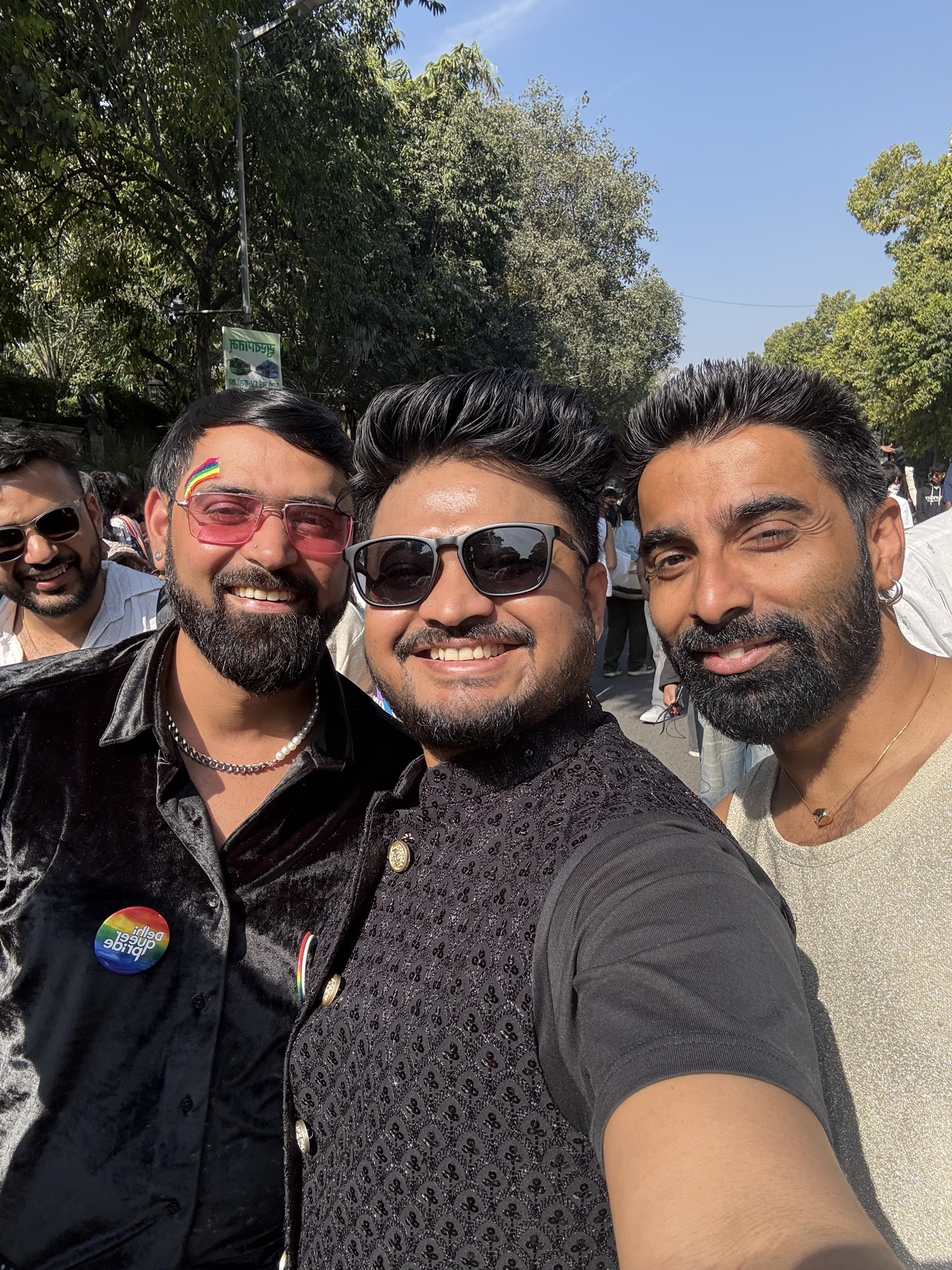
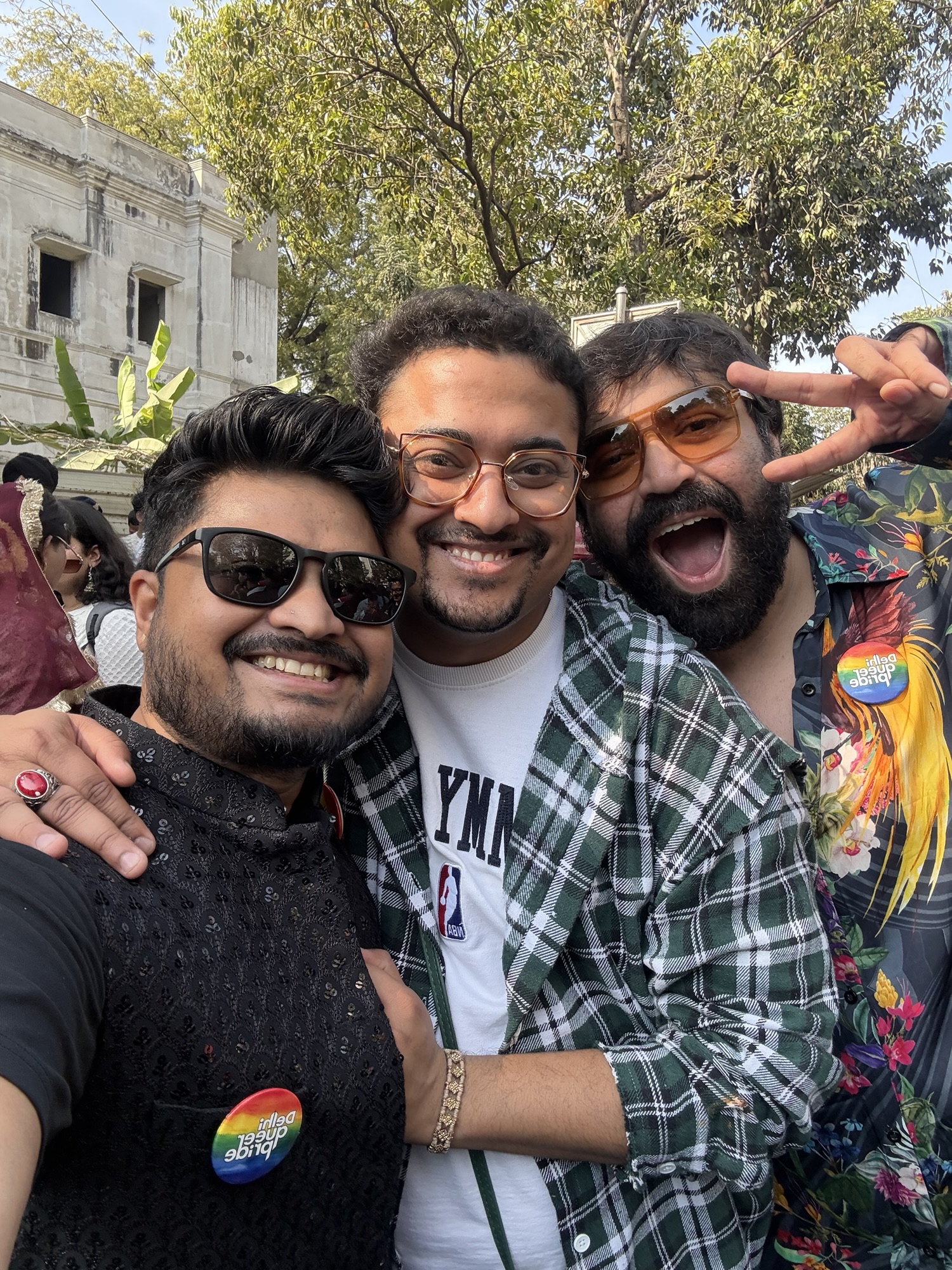
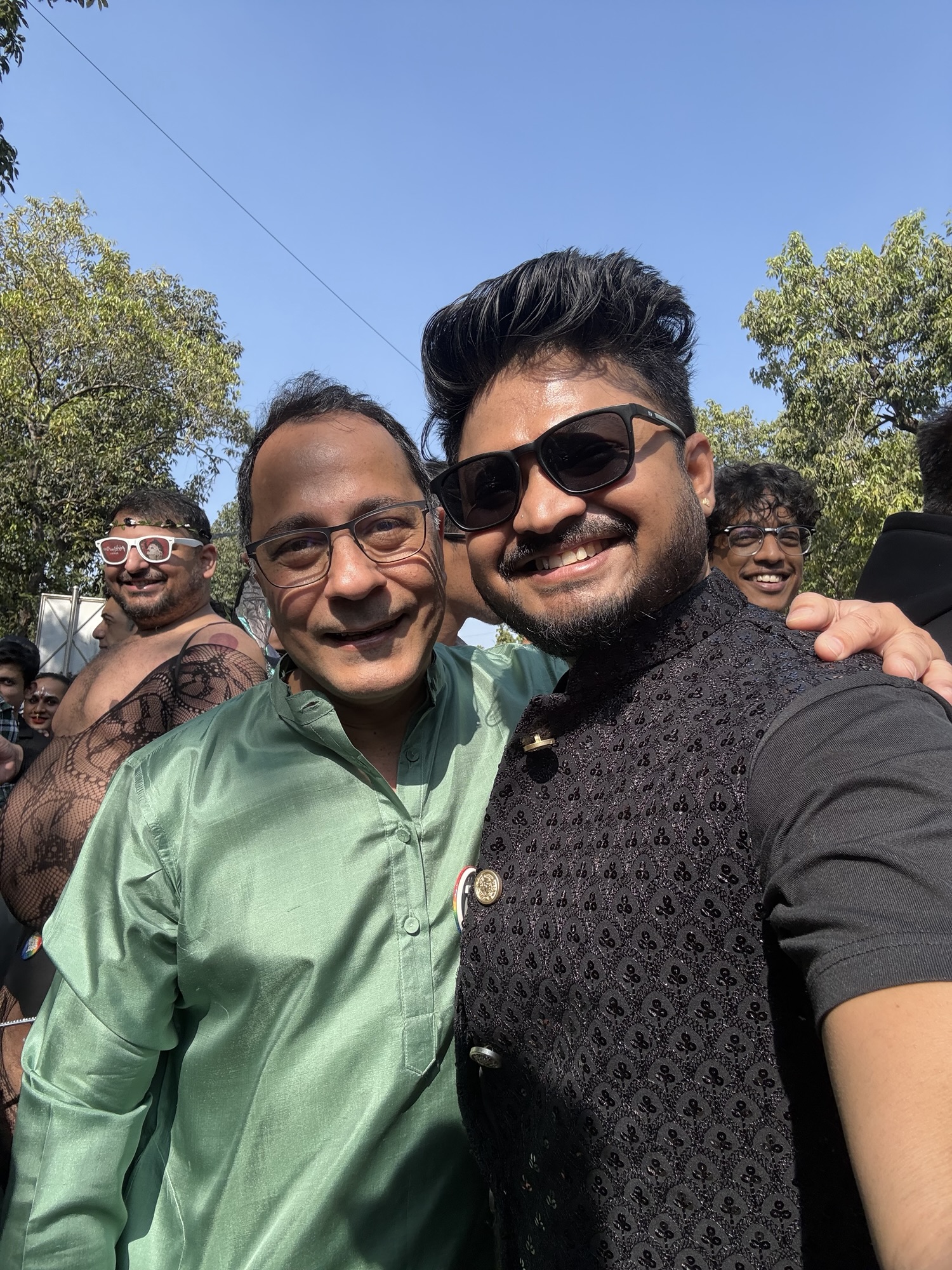
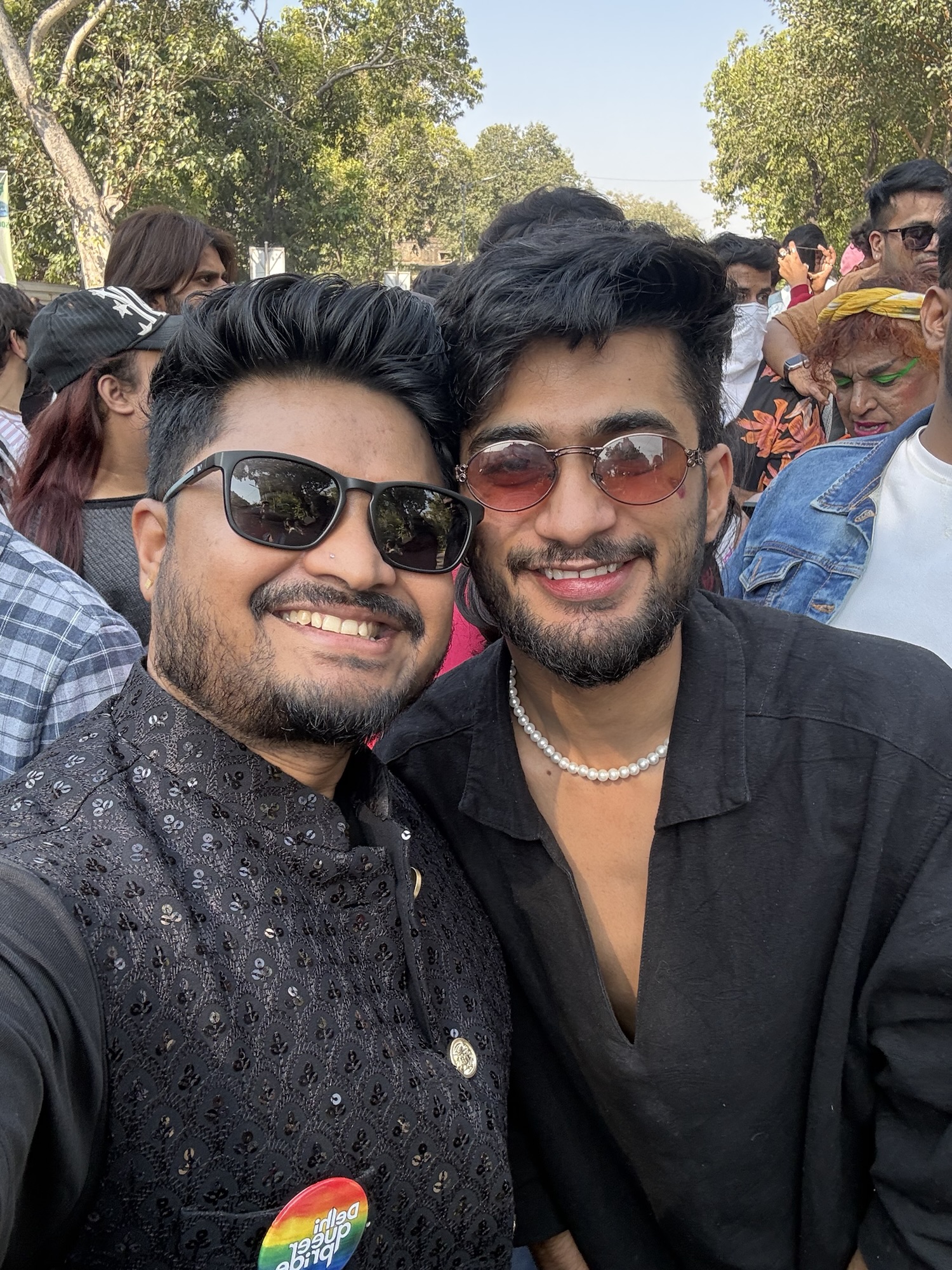
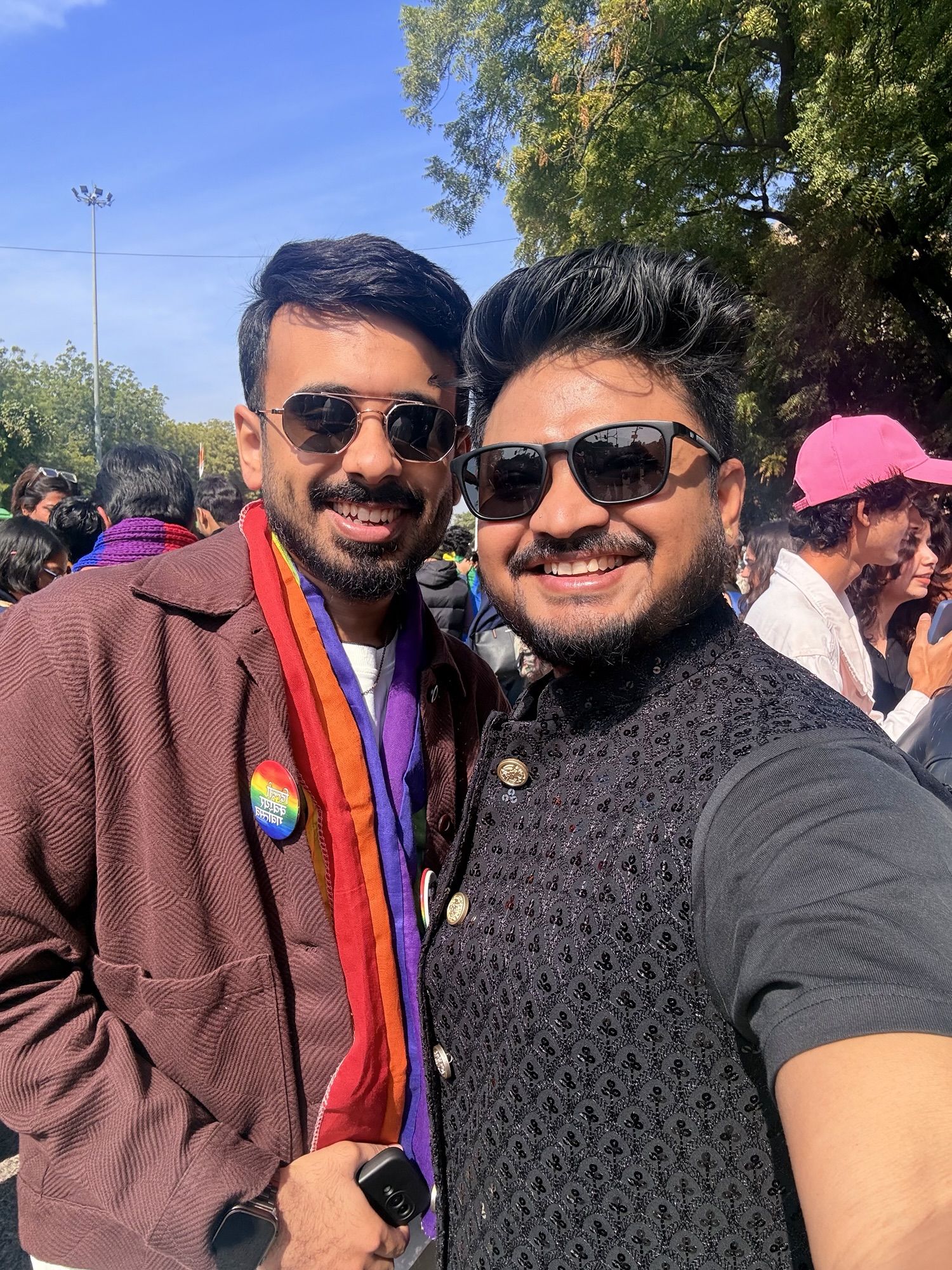
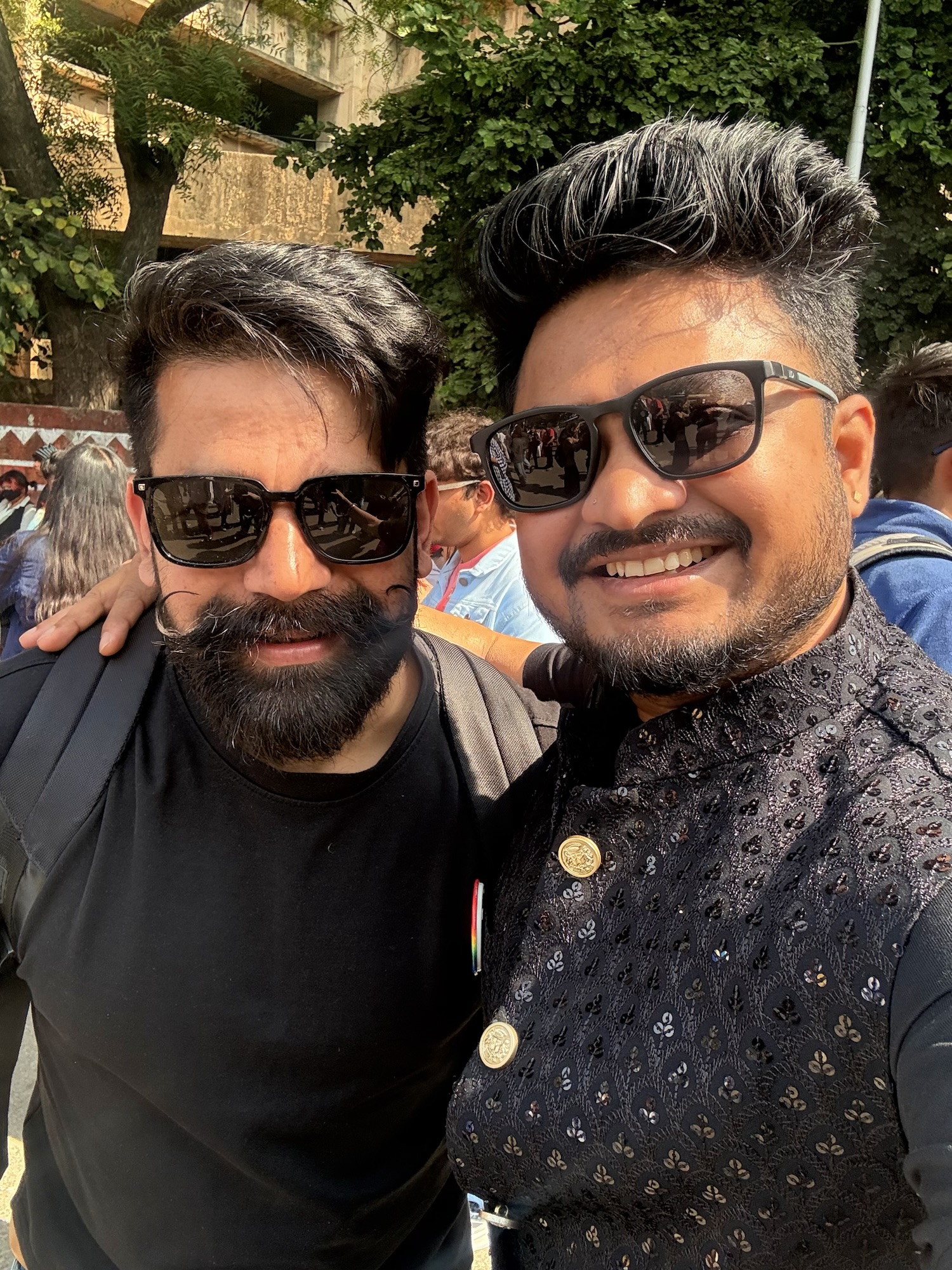
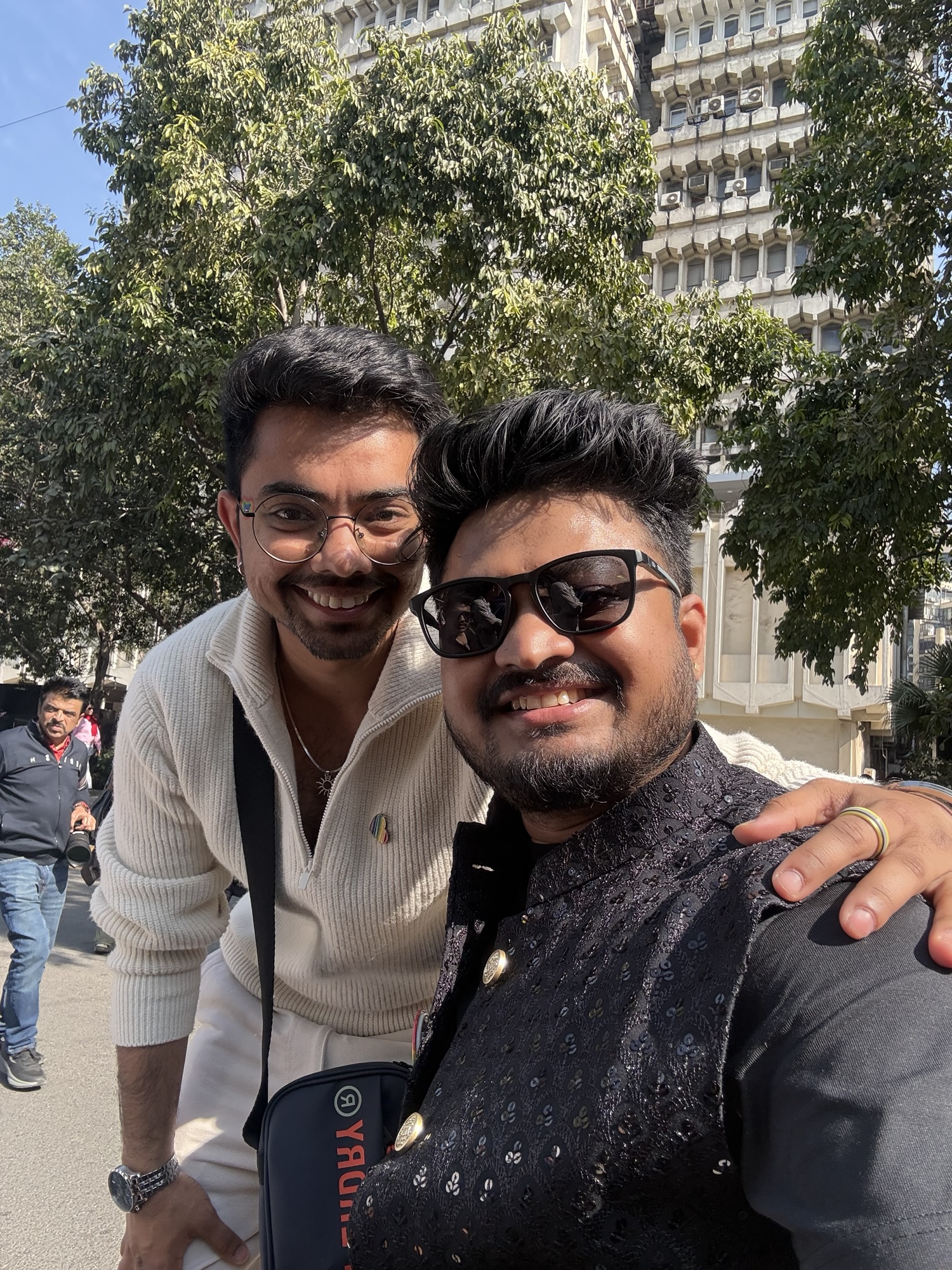
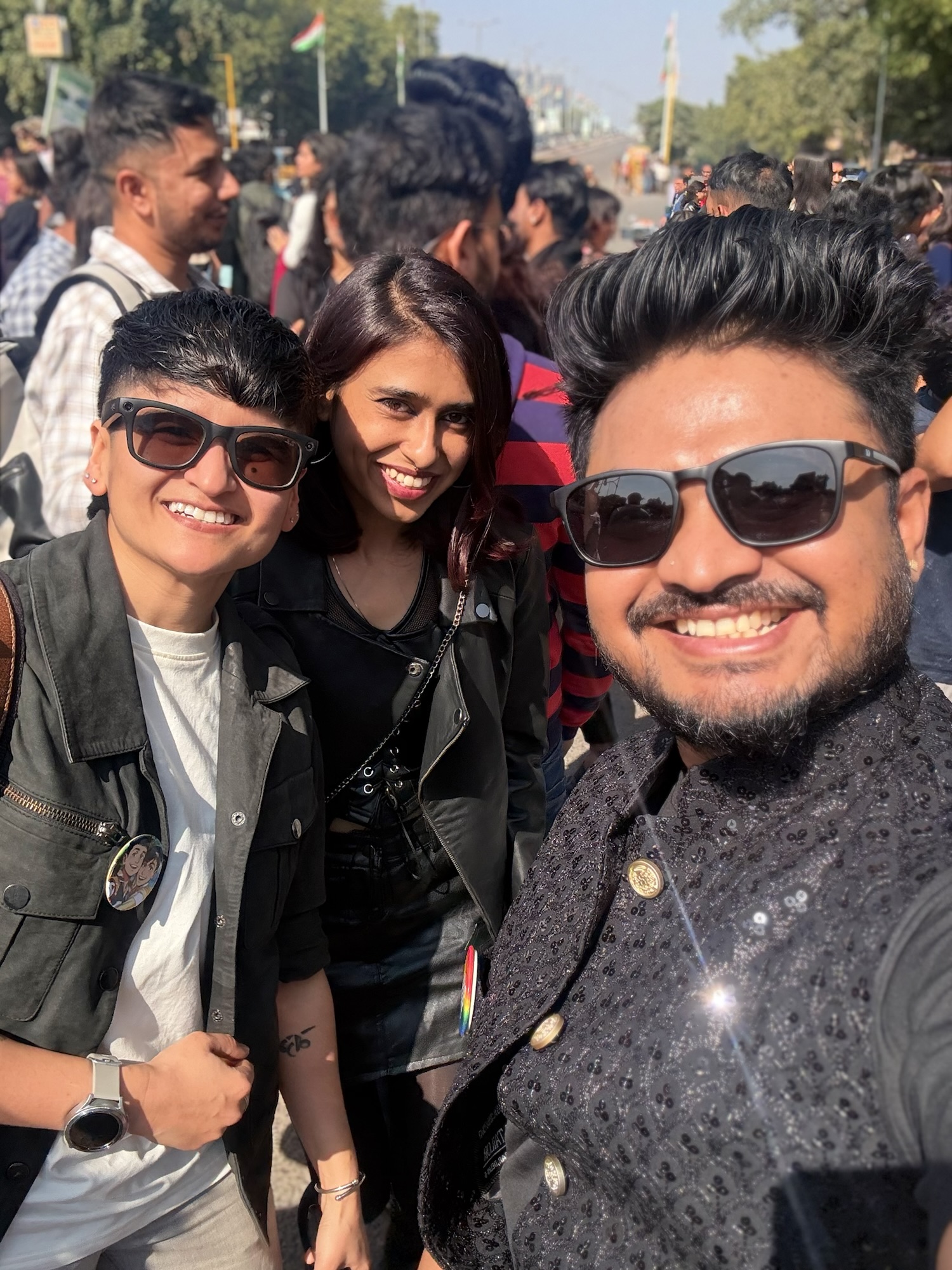
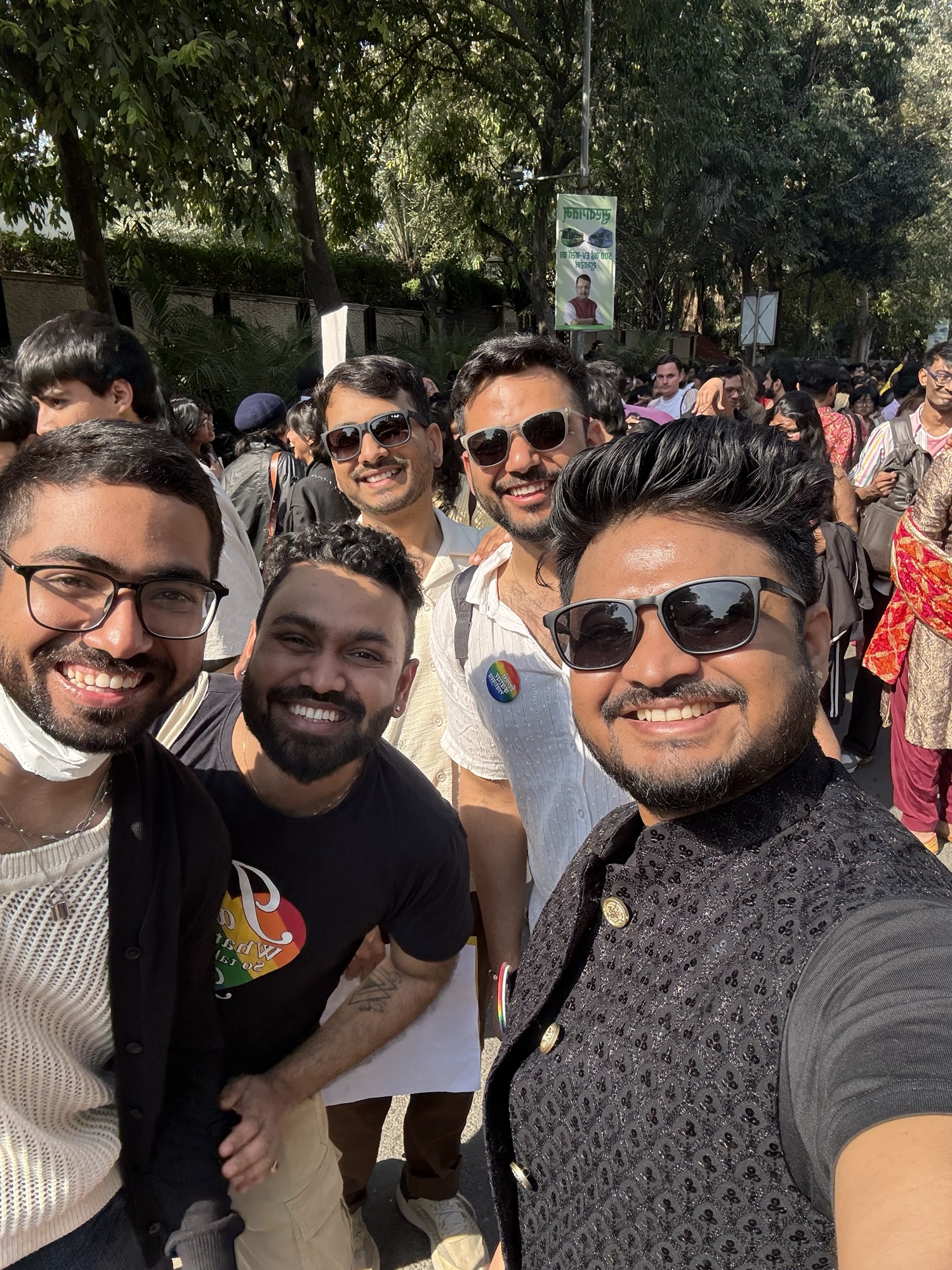
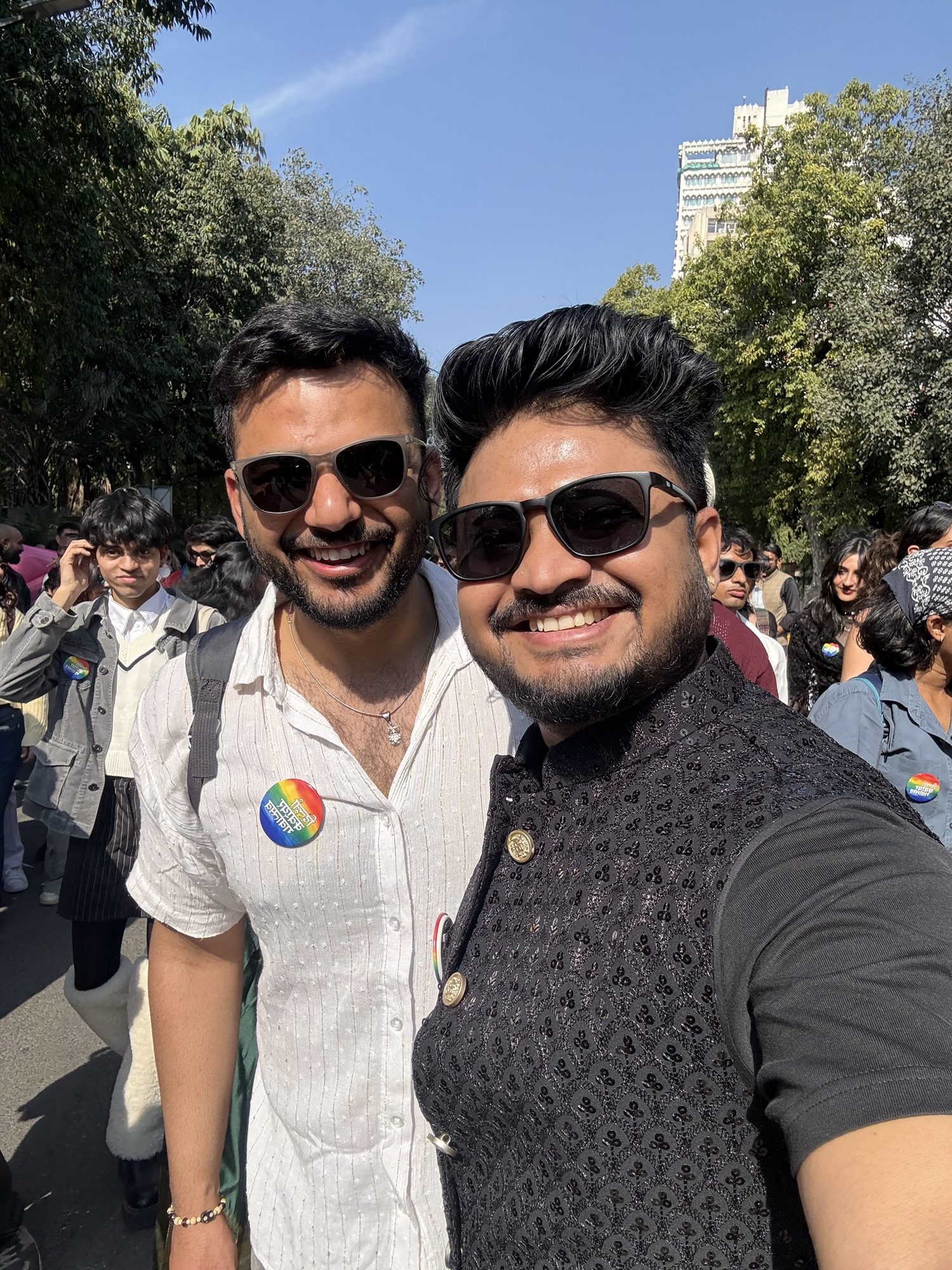
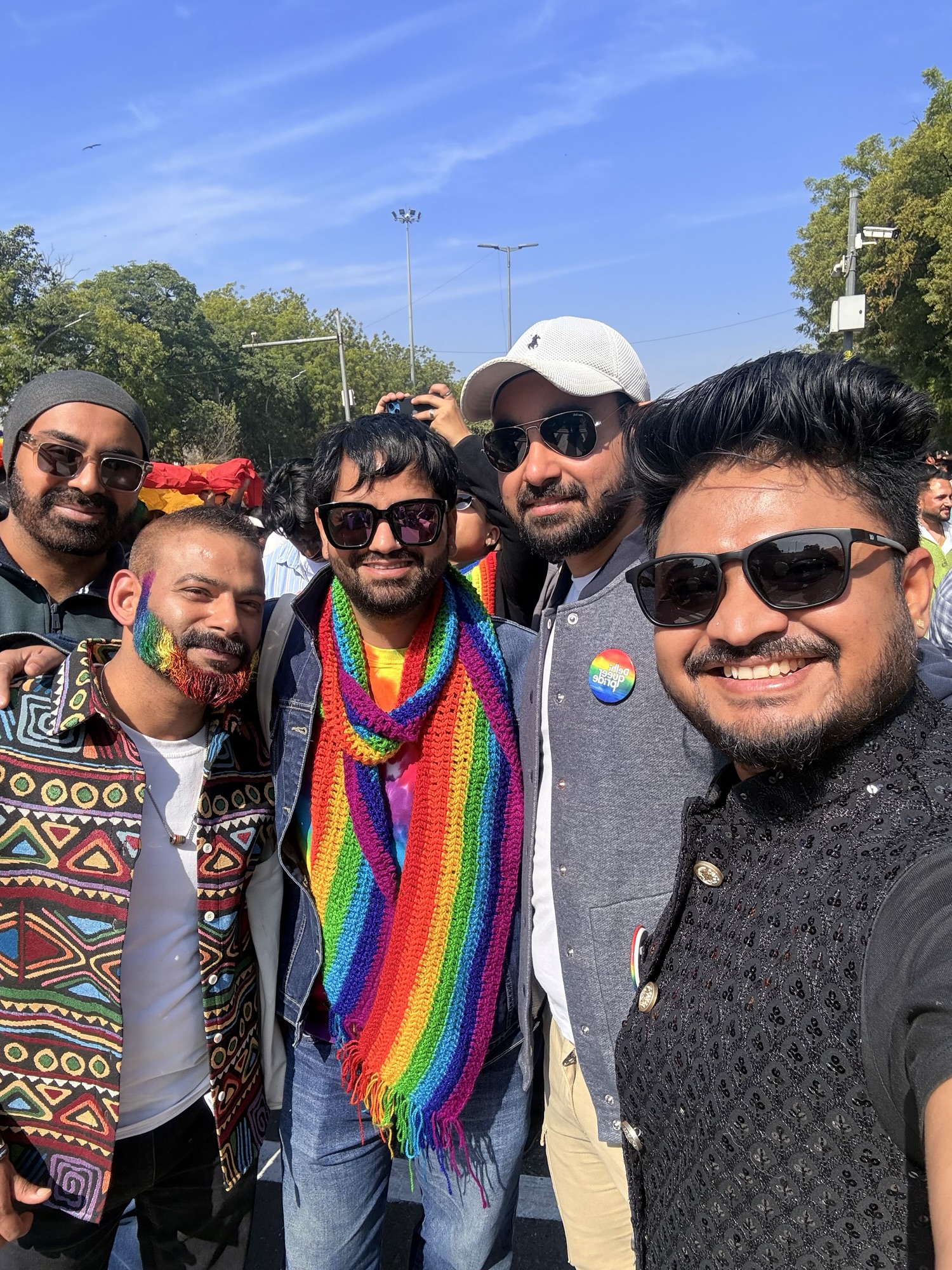
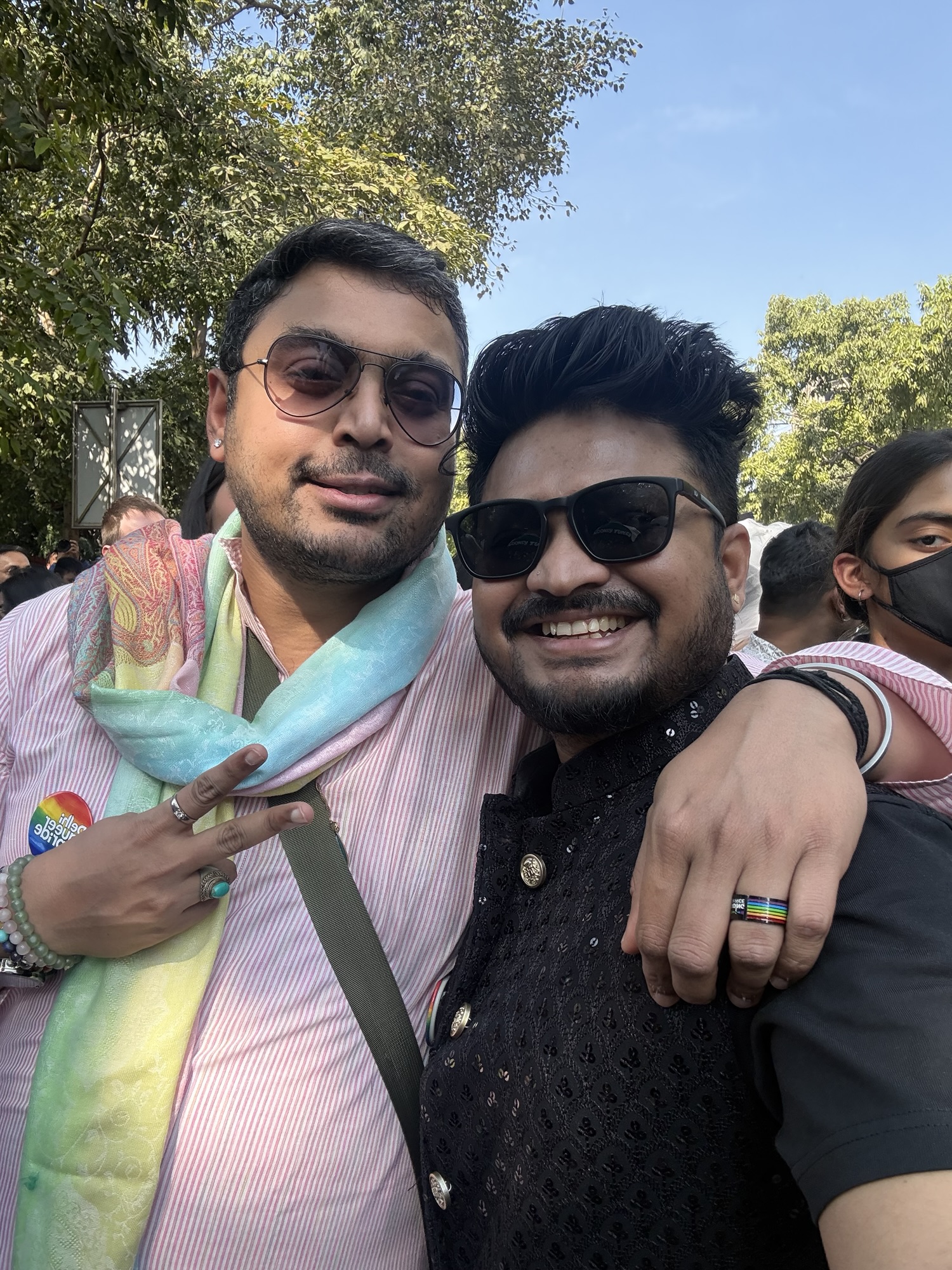
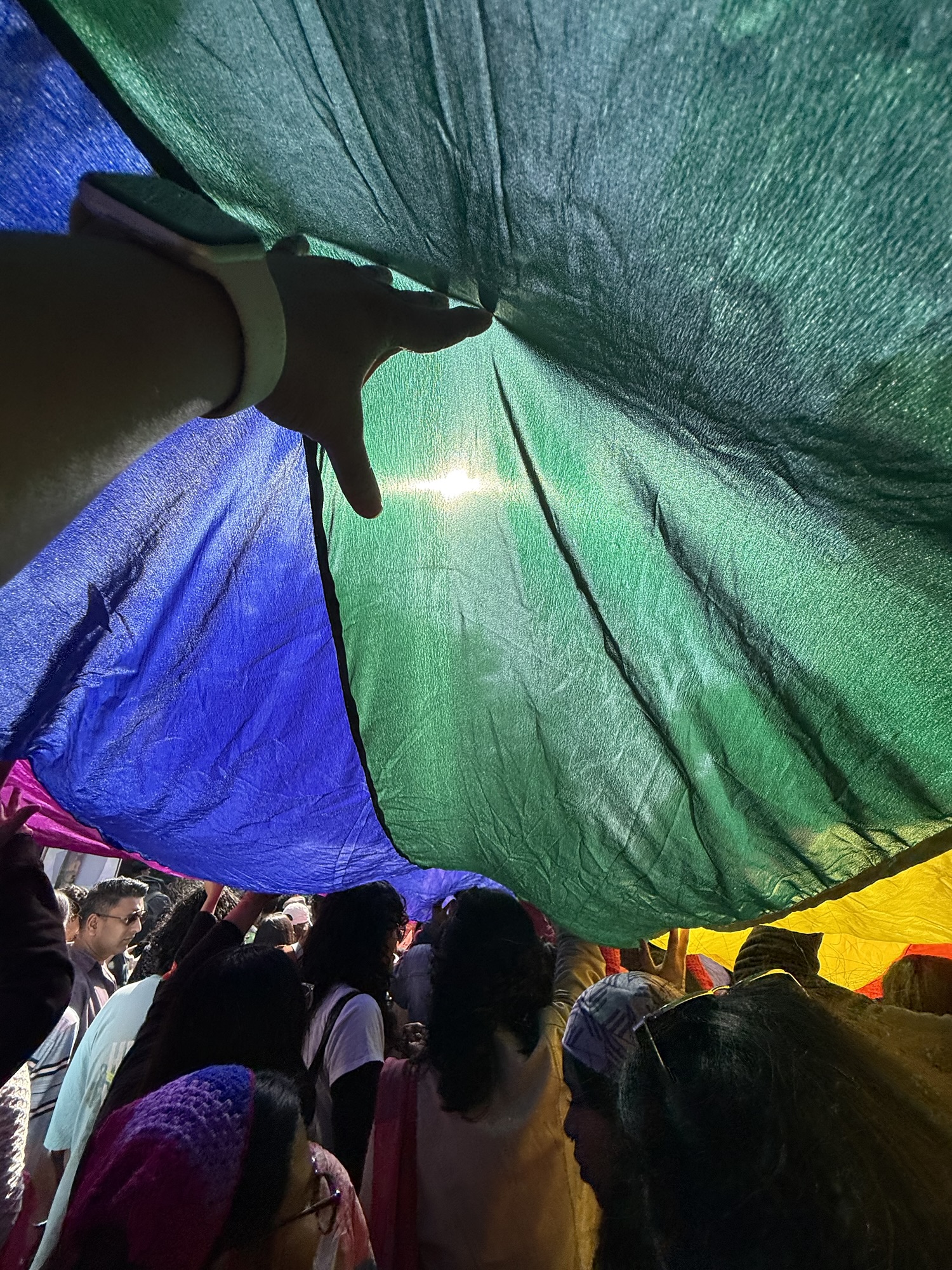
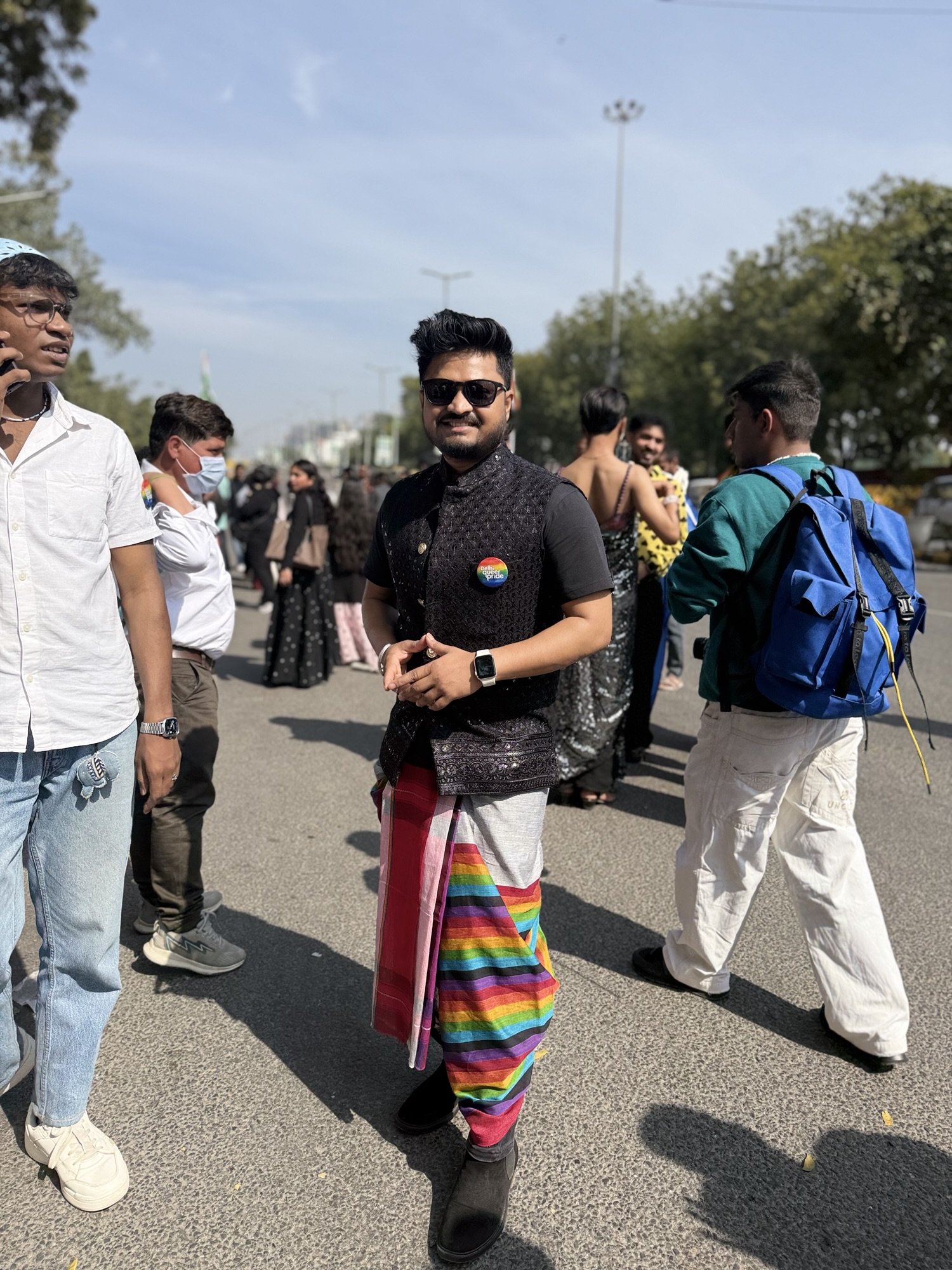
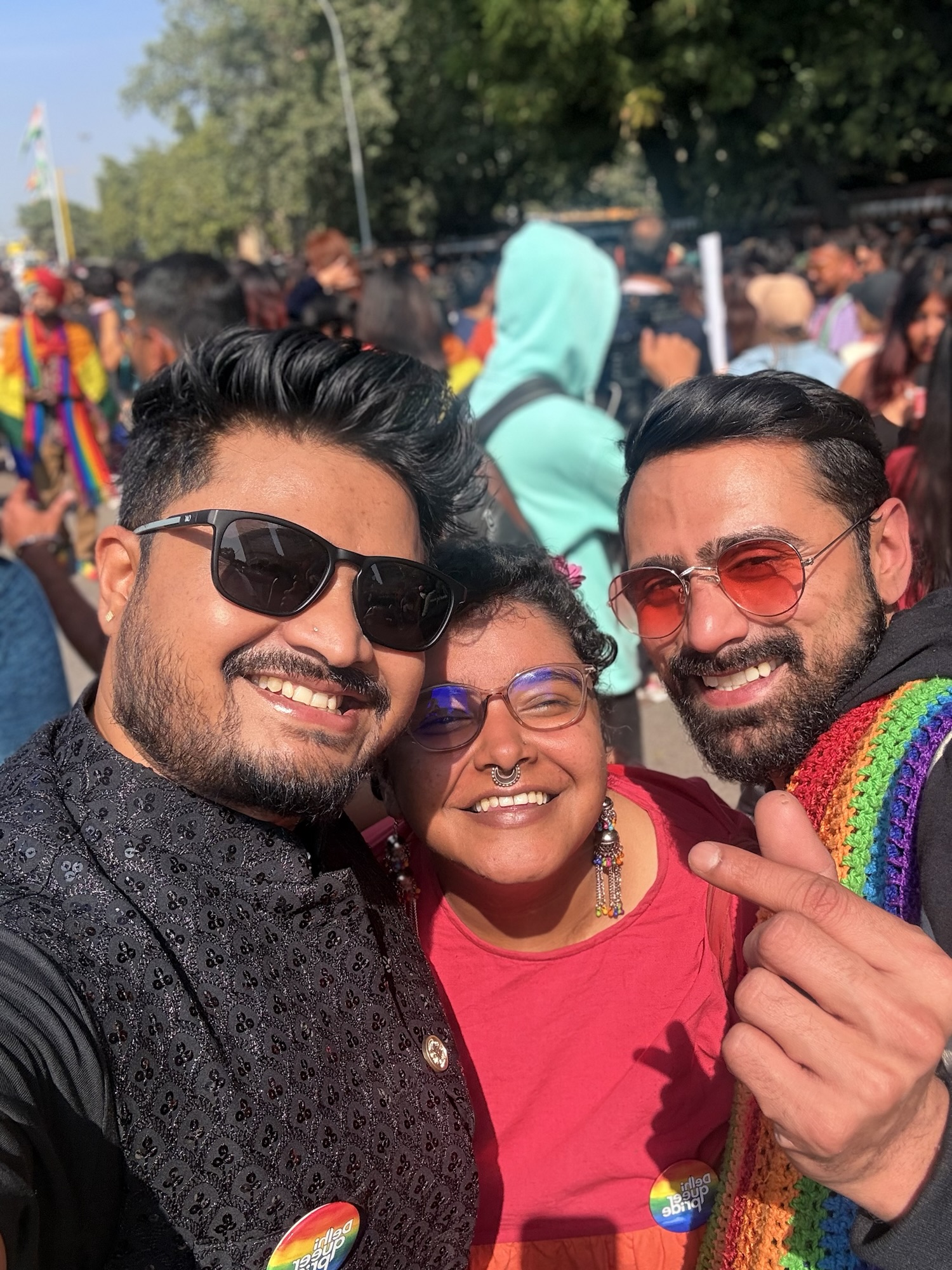
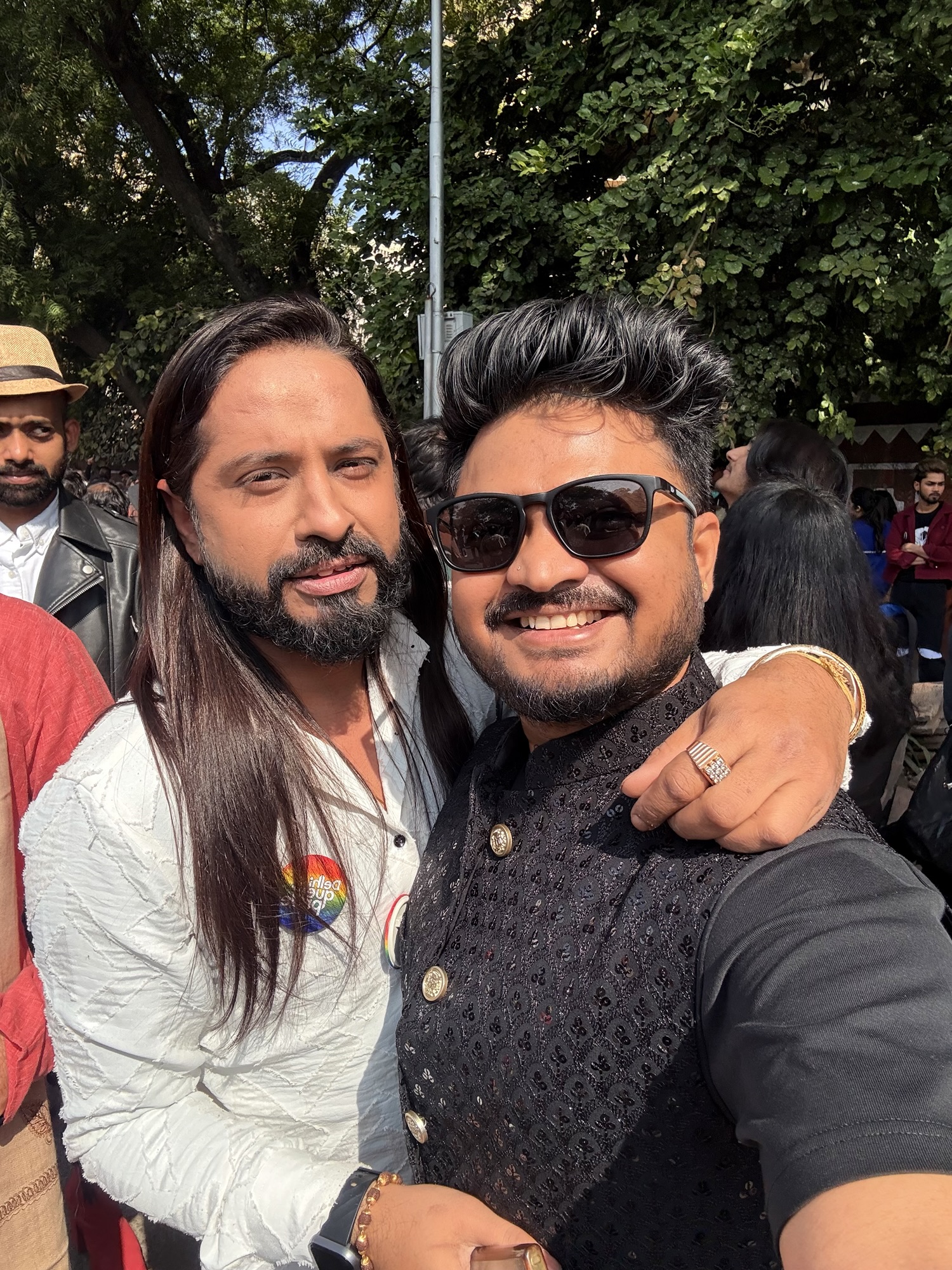
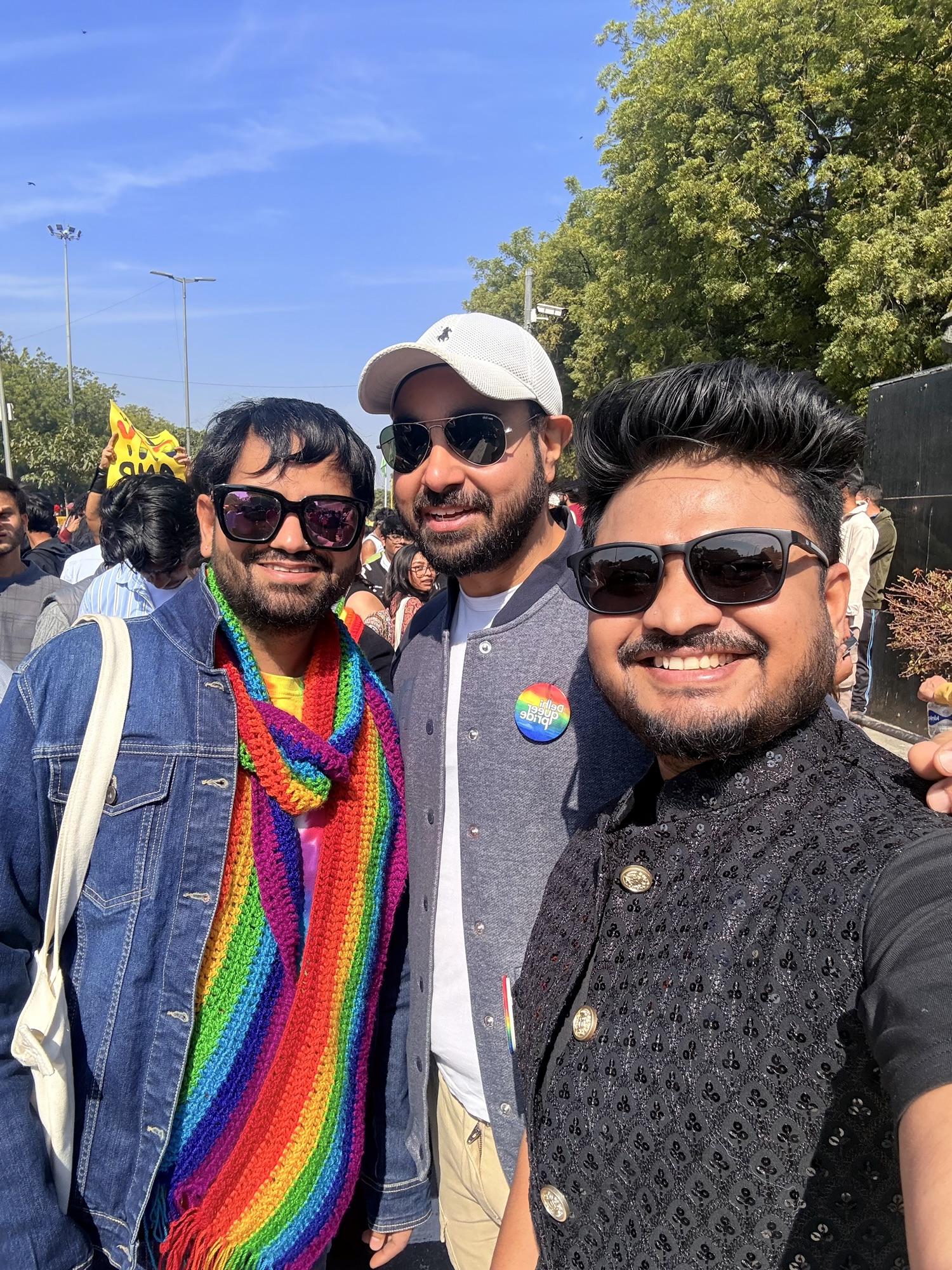
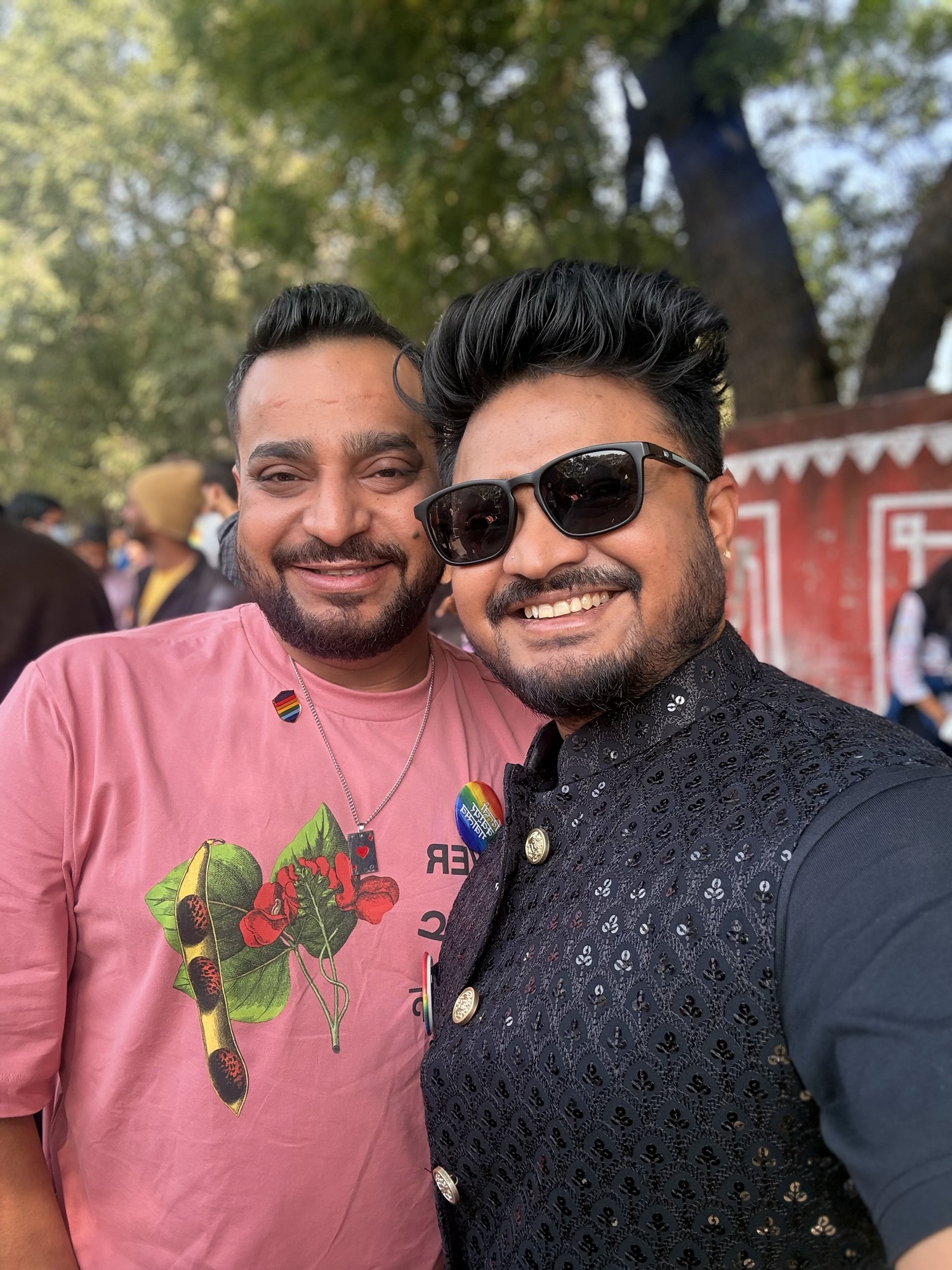
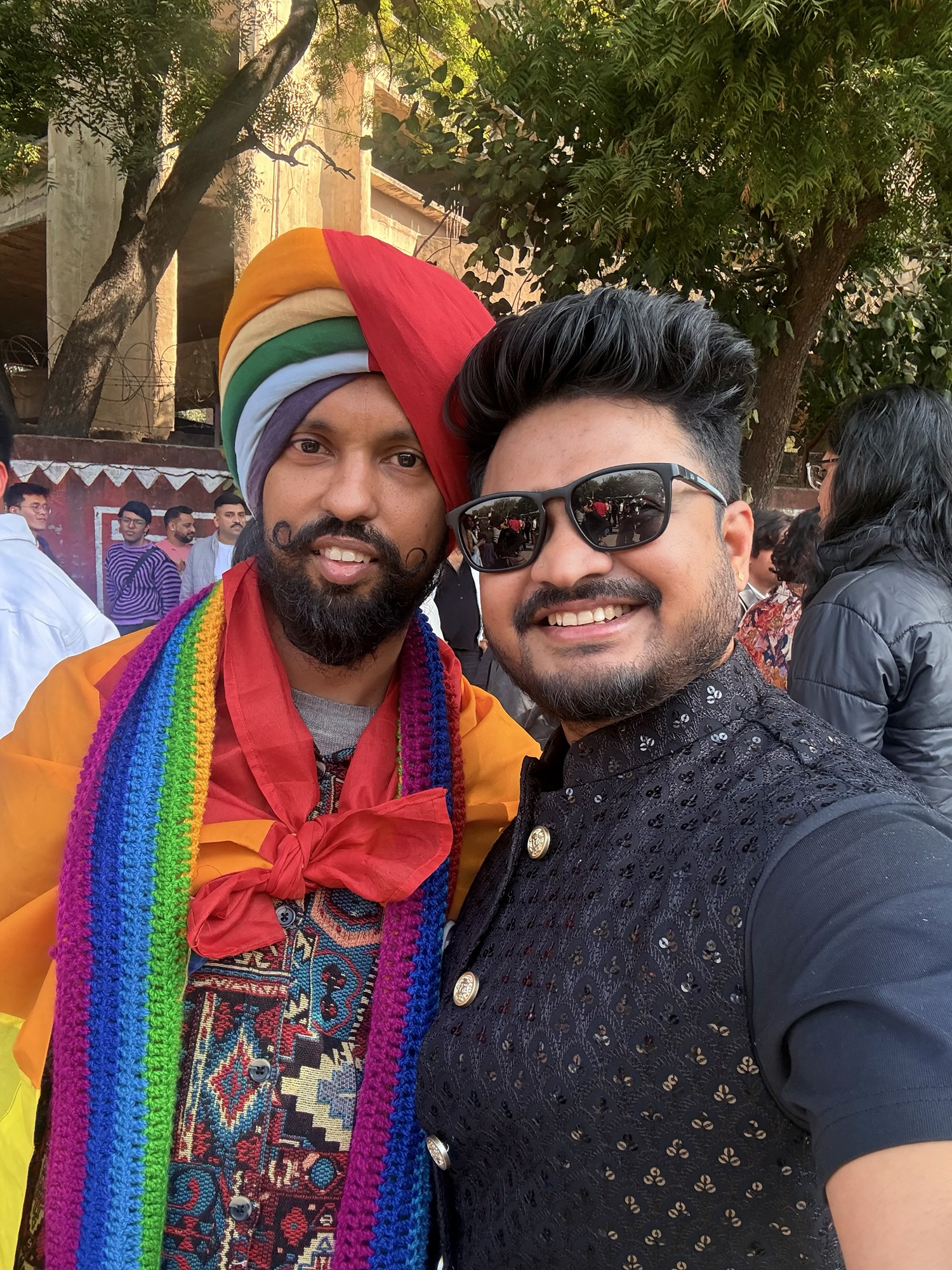
Yesterday, Delhi walked again.
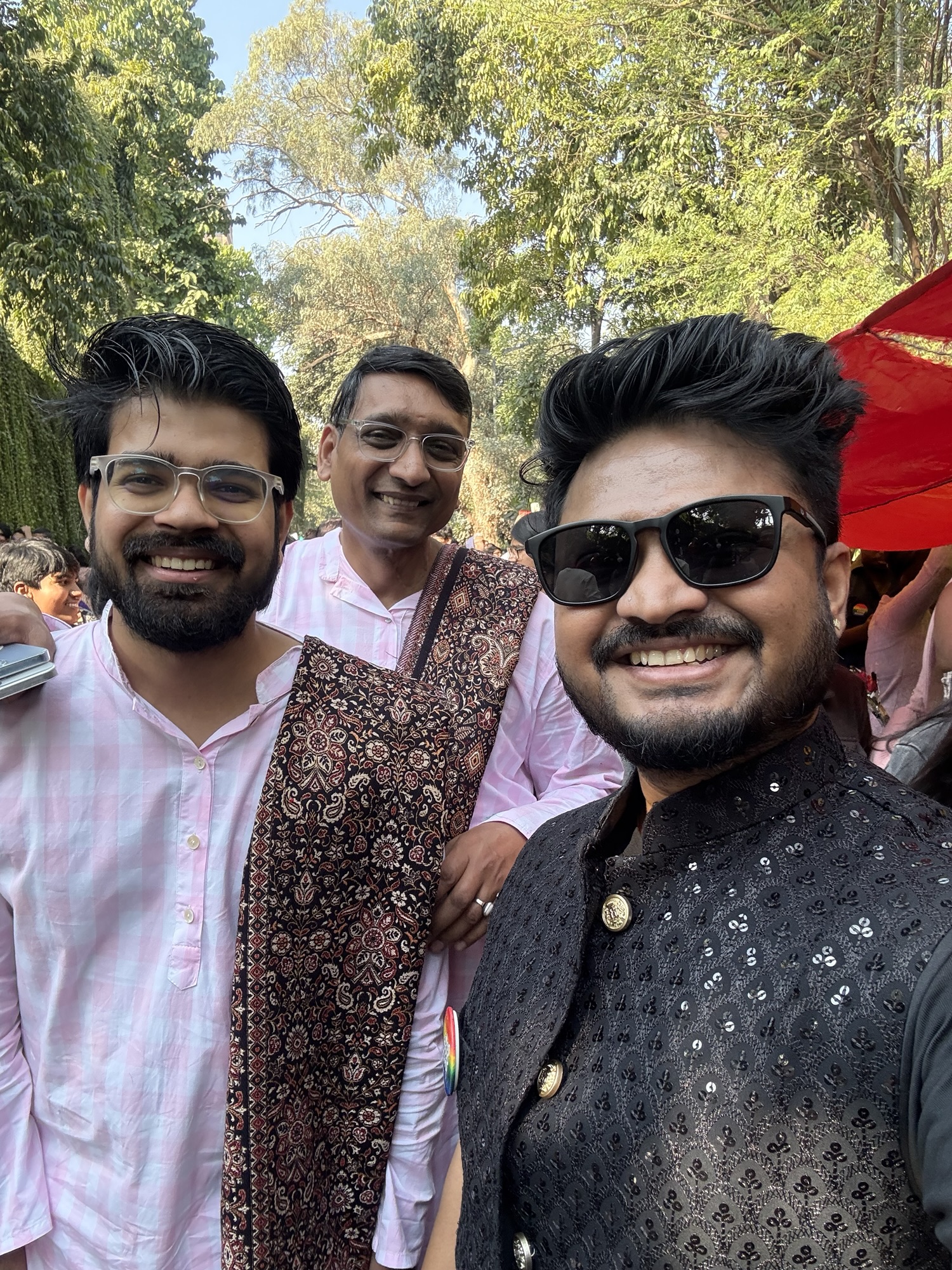
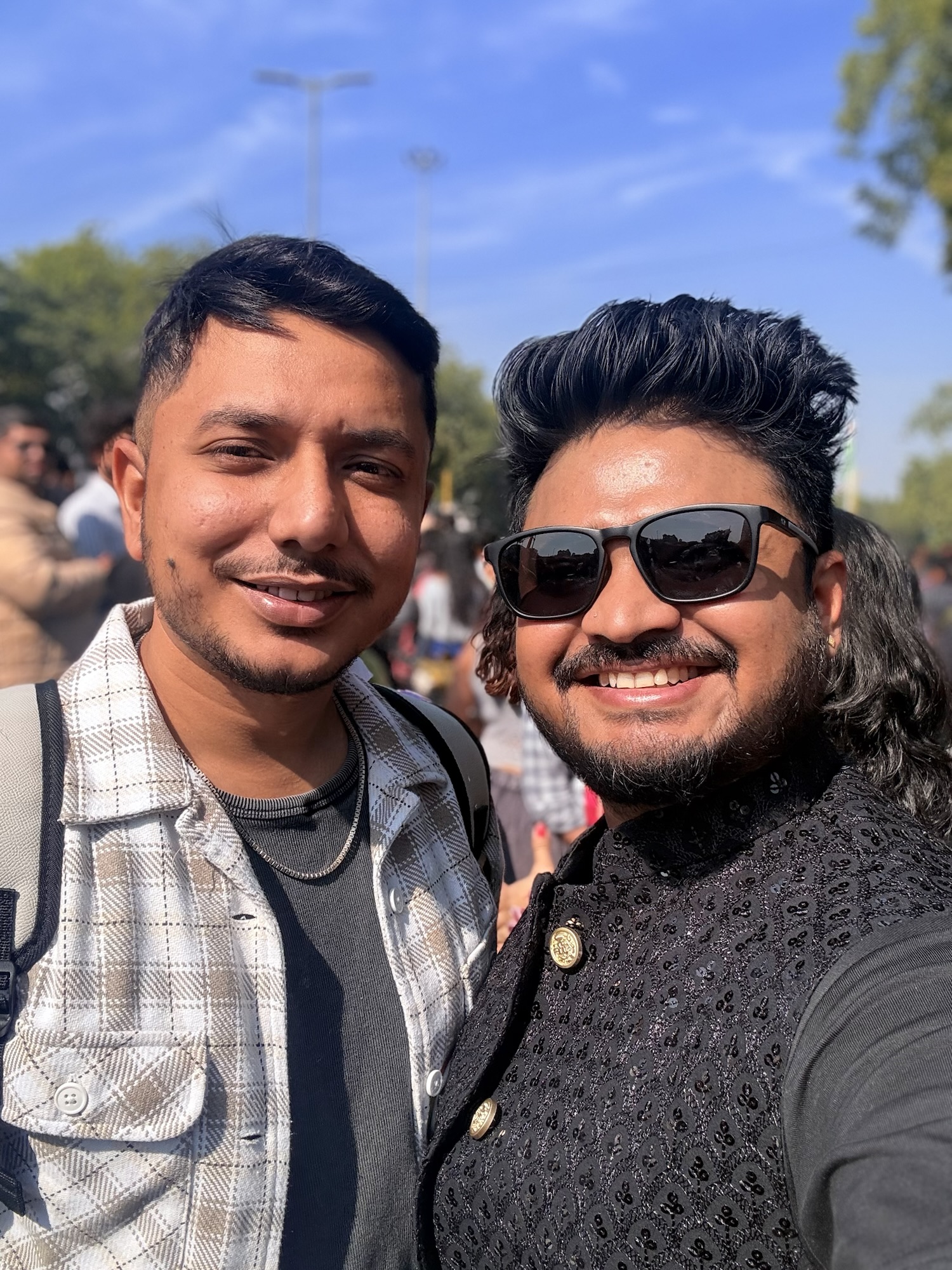
From Barakhamba Road, Connaught Place, ending at Jantar Mantar – streets I’ve walked on for years, sometimes freely, sometimes carefully. Delhi wore rainbows, slogans, and glitter. I saw familiar faces. Older activists. Survivors. People who have marched even when marching felt dangerous.
But this time, the roads belonged largely to Gen Z. Louder. Bolder. Less apologetic. Less interested in being “palatable.”
And while Delhi celebrated Pride, a question lingered – one that many people ask with genuine confusion, and some with quiet irritation:
Why Pride?
If the community has the right to relationships, why do they still need a Pride Walk?
Why are people shouting “AAZADI” in a free country?
Let me try to answer that – not politely, but honestly.
The Illusion of Freedom
Yes, we live in a “free” country.
Yes, Section 377 is history.
Yes, the Supreme Court has said our love is not a crime.
But legality is not liberation.
Freedom is not just the absence of handcuffs. Freedom is the presence of dignity.
Tell me this:
Can two queer people walk hand in hand on these same roads without scanning the crowd?
Can we rent a house without lying about our relationship?
Can we introduce our partner as partner – not “friend,” not “roommate,” not “cousin from another city”?
Can we marry?
Can we adopt without loopholes and humiliation?
Can a trans person access healthcare without being mocked, misgendered, or pushed into poverty?
If the answer is “no,” then don’t ask us why we shout Azaadi.
What are we asking Freedom From?
When queer people shout Azaadi, we are not shouting against the nation.
We are shouting against silence.
Freedom from families who love us conditionally.
Freedom from laws that say, “You exist, but not fully.”
Freedom from a system that decriminalises us but refuses to dignify us.
We are asking for:
- Marriage equality.
- Adoption rights.
- Protection from discrimination at work and in housing.
- Healthcare that doesn’t pathologise our bodies and identities.
- Recognition of chosen families.
- Legal protection for trans and non-binary lives beyond tokenism.
These are not “Western demands.”
These are constitutional promises.
Pride is not a Party. It is a Protest.
Pride didn’t begin as a parade.
It began as a riot.
It began with queer, trans, poor, and marginalised people saying: Enough.
In India, Pride is still doing that work.
It is a reminder – to the state, to society, to ourselves – that visibility is still an act of resistance.
For many of us, Pride is the only day we can exist loudly.
The only day we don’t have to edit our gestures, soften our voices, or straighten our backs.
If Pride looks celebratory, it’s because joy itself is political when your existence is constantly debated.
The Political Moment We Are Living In
Let’s be clear: we are living in a time where majoritarian morality is dressed up as culture, and dissent is labelled anti-national.
In such a climate, queer lives are tolerated – but only as long as we don’t demand more.
We are told:
“Be grateful you are not a criminal anymore.”
“Why provoke?”
“Why shove it in our faces?”
“Why now?”
Because now is when rights are being selectively distributed.
Because now is when citizenship itself feels conditional.
Because now is when silence is being rewarded, and questioning is being punished.
Pride is our refusal to disappear quietly.
Why Gen Z is Louder
Many of us grew up negotiating our existence.
Gen Z is refusing to negotiate.
They are less interested in respectability politics.
Less afraid of being disliked.
Less willing to wait.
They are shouting Azaadi because they know something we learned late: that freedom delayed is freedom denied.
And maybe that unsettles people – because it exposes how much we settled for.
Pride is also for those who didn’t make it
Pride is for the queer kid who never came out.
For the trans person who couldn’t access hormones.
For those forced into marriages, into silence, into exile.
For those whose names we don’t chant because they are already forgotten.
Pride is a collective memory walking down the street.
So, Why Pride?
Because equality on paper is not equality in life.
Because freedom without safety is a lie.
Because love without rights is fragile.
We walk because we are still asked to justify our existence.
We shout because whispers haven’t worked.
We demand Azaadi because this country is ours too.
And until queer lives are lived without fear – not just tolerated, not just decriminalised, but celebrated.
Delhi will keep walking.
With Pride.
With Anger.
With Hope.
And yes, with Azaadi on its lips.
 ANKUR MONDAL