
In this crazy, ever-changing world of social media, where every passing day brings a new trend, we’re dealing with the idea of “haves” and “have-nots” in ways Karl Marx would’ve never thought of. As a middle-aged gay man navigating this modern life with my partner, Gaurav, I often find myself thinking about the little details of how society works, especially when it comes to health, fitness, and body image.
The pandemic has really shaken things up, especially in how we see and prioritise our health. Since COVID-19, this new wave of health-conscious folks has been shaping up their bodies into these amazing forms and showing them off on social media. Suddenly, we’re bombarded with overwhelming images of rock-hard abs, bulging muscles, and perfectly toned bodies. Something that would give us a momentary rush of happiness when we look at them and adversely leave with prolonged sadness.
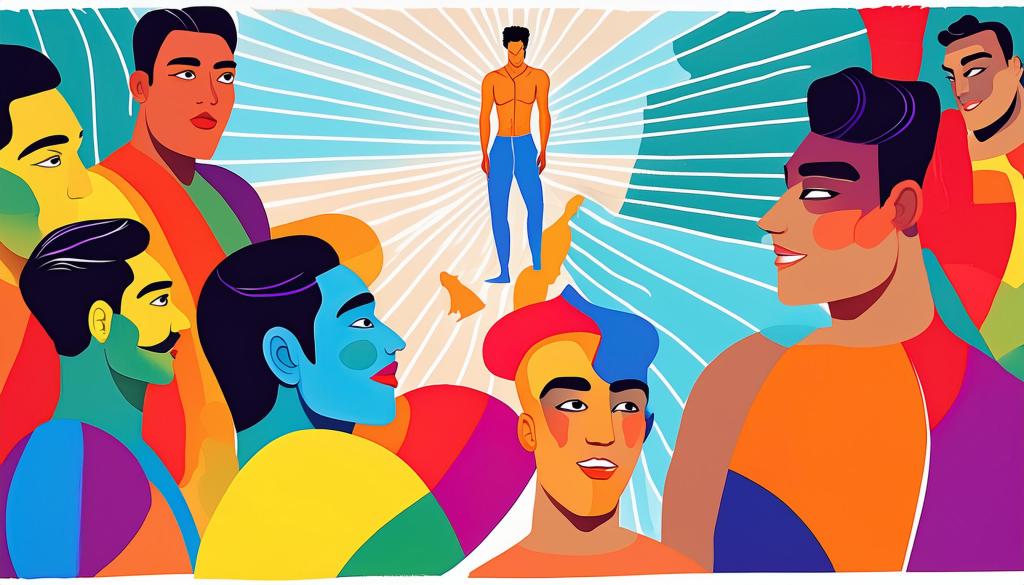
But in the middle of all this celebration of physical fitness, Gaurav and I noticed something troubling: this new divide between the “haves” and the “have-nots.” While some people easily embody the pinnacle of fitness, others are left on the sidelines, struggling with obesity, body image issues, and the relentless pressure to fit society’s narrow beauty standards.
During one of our heart-to-heart talks, Gaurav shared his take on it, passionately arguing that the gap between the “haves” and the “have-nots” isn’t just about genetics or circumstances but also about individual choices. According to him, anyone can live a fit and healthy life with the right motivation and dedication, and those who don’t are just making excuses or scapegoats – whether it’s PCOS, a crazy work schedule, or feeling like they have no time.
But, seriously, is it really that simple? As we kept talking about it, I couldn’t help but wonder if Gaurav’s take was missing the whole picture about health and body image. Sure, motivation is key to reaching fitness goals, but we can’t just brush off the hurdles and pressures that often make it tough for people to reach the level of health and well-being they strive for. Whether it’s their lifestyle, their background, or their mental health, we have to consider these things to keep a positive vibe about health and fitness.
Plus, I felt like Gaurav’s perspective didn’t consider the importance of body positivity – a movement that challenges traditional beauty standards and promotes self-love and acceptance, no matter your size or shape. In a world obsessed with being flawless, embracing our imperfections and learning to love ourselves unconditionally can be a big act of rebellion – one that goes beyond just trying to look perfect.
As a gay man who’s spent half his lifetime figuring out his identity, desires, and self-acceptance, while I do not disapprove of Gaurav’s POV, I’ve realised that real happiness doesn’t come from fitting into society’s random standards but from embracing who we truly are, flaws and all. Whether we’ve got killer abs or proudly rock our curves, our worth isn’t about our body shape but about the kind of people we are and how we treat others.
So, as me and Gaurav keep navigating this ever-changing world of norms and expectations, with more such conversations, we’ll do it with a renewed sense of purpose and determination. We will have our arguments and agreements over my eating habits as a foodie, and eventually, we will make a bridge. In a world that tries to split us into “haves” and “have-nots,” we’re choosing to stick together in our commitment to love, acceptance, and celebrating all bodies, no matter their size or shape. Because isn’t that what real happiness is all about?
 ANKUR MONDAL