
While the central government calls it an “urban elitist concept”, we call it a “Heterosexual Privilege”. Marriage equality has been a contentious issue for the LGBTQ+ community in India, which has faced discrimination for decades. The recent marriage equality hearing by the Honourable Supreme Court of India brings hope to the community, as it is an important step towards recognizing the rights of individuals regardless of their sexual orientation or gender identity.
The LGBTQ+ community in India has long suffered from discrimination and persecution. However, the landmark judgement by the Honourable Supreme Court in 2018, which declared section 377 unconstitutional, was a historic moment for the community. It gave them the freedom to live their lives without fear of being persecuted for their sexual orientation.
The post-377 era has brought a shift in the attitudes of people towards the community. With greater acceptance and understanding, the queer community has been able to come out of the shadows and live their lives openly. However, there is still a long way to go. Members of the community face discrimination at every level, from social stigma to institutional discrimination. They are often denied access to healthcare, education, and employment opportunities. They are also at a higher risk of violence, harassment, and abuse. This is a reality that cannot be ignored, and we must address it head-on.
The issue of same-sex marriage is still not recognized in India, and the ongoing hearing is a crucial step towards achieving marriage equality. It is essential to recognize the rights of all individuals, regardless of their sexual orientation or gender identity, and allow them to marry and start families if they so choose.
The acceptance of the LGBTQ+ community by their families and society is crucial in creating an inclusive society. It is essential to recognize the importance of family and the role it plays in shaping the lives of individuals. Families need to accept and support their children, regardless of their sexual orientation, and recognize that love knows no boundaries.
Sex education is an essential tool that can help break down the barriers of discrimination and prejudice towards them. Sex education must be made mandatory in all educational institutions, from primary schools to universities. By educating young people about the diversity of sexual orientations and gender identities, we can create a more accepting and inclusive society.
Directly or indirectly it will also become the catalyst of the Pink economy, which refers to the economic power of the LGBTQ+ community, which is an important aspect that needs to be recognized. India has a large LGBTQ+ population, and they play a significant role in the country’s economy. However, due to the lack of acceptance and discrimination, many individuals choose to settle abroad, depriving India of their talents and contributions.
Marriage equality would bring numerous tangible and intangible benefits, including the ability to open joint bank accounts, jointly buy or rent a property, jointly own and share financial assets, be recognised as a relative under the Indian Income Tax Act, inherit a spouse’s assets if one partner dies, access to healthcare, social security benefits, gaining legitimacy, respect and affection from society and being able to participate fully in all family events. It would also be a significant step towards creating an equal society that recognizes the rights of all individuals, regardless of their sexual orientation. It will also enable a sense of belonging and will help to gain the acceptance that they are seeking in society.
The fight for marriage equality is not just about the right to marry, but about recognizing the dignity and worth of every individual, regardless of their sexual orientation. By accepting and celebrating diversity, we can build a society that is inclusive, compassionate, and just. Let us work towards a future where love is not restricted by societal norms, but celebrated in all its forms.
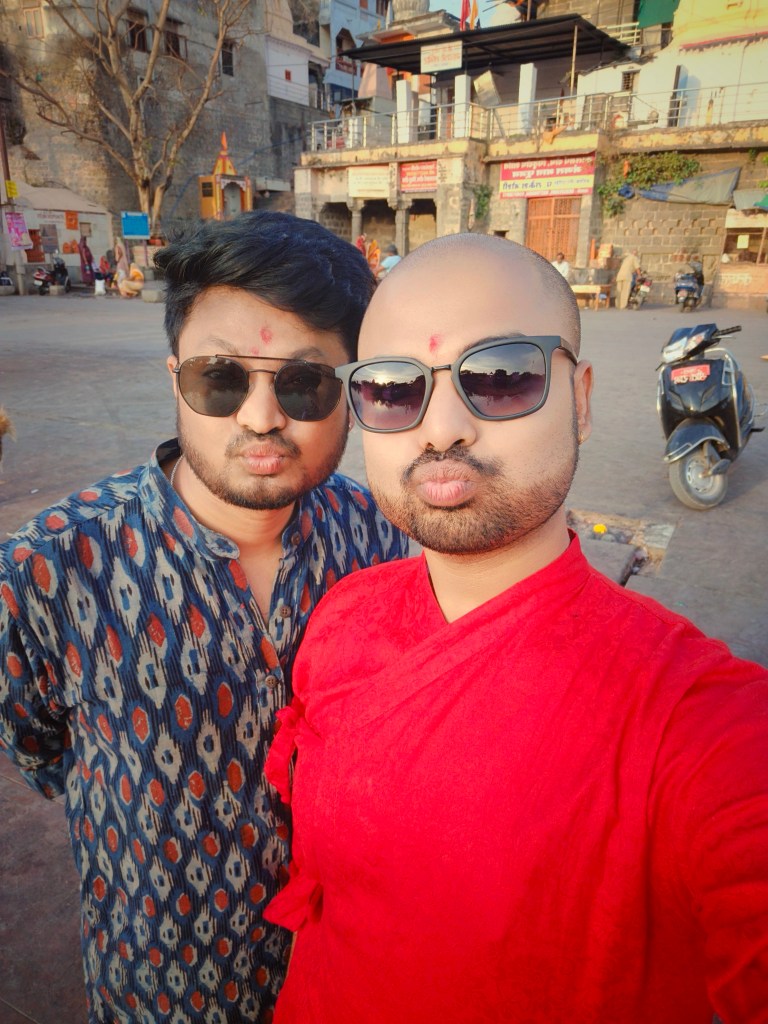
 ANKUR MONDAL